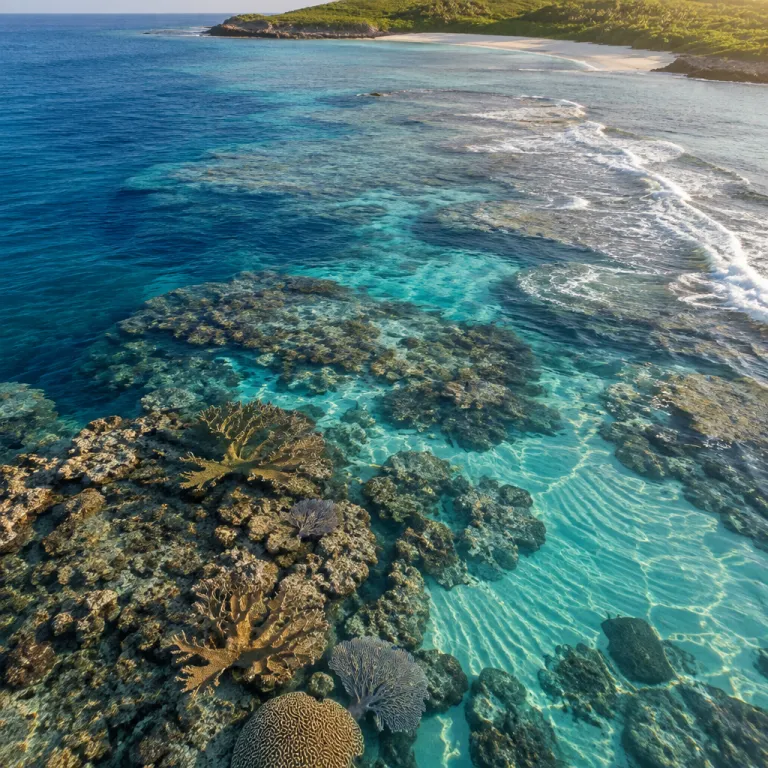
Why some Caribbean islands are made for shore snorkeling
Not every Caribbean island rewards you the moment your fins touch the sea. Some Caribbean islands are ringed by fringing coral reefs that sit in waist deep clear water, turning a casual snorkel from the shore into a full marine adventure. Others drop steeply into the blue, where the best snorkeling lies offshore and demands a boat, a schedule and a group.
For a solo explorer planning luxury stays, that difference matters more than any glossy brochure. Islands with sheltered leeward bays, gentle trade winds and marine parks close to the shore offer reliable shore snorkeling with easy shore access and minimal logistics. Where the reef hugs the island, you can move from pool to underwater theatre in a single unhurried stroll, turning caribbean snorkeling into a daily ritual rather than a once per trip excursion.
Look for destinations where marine parks protect shallow coral reefs that sit inside natural arms of land. A curved bay on the quiet side of an island often hides the best caribbean shore snorkeling, with reefs that start just beyond the last ripple of sand. When you read any caribbean marine parks snorkelling guide, pay attention to words like fringing reef, lagoon and protected leeward coast, because they signal snorkeling spots that work year round without needing a tank.
Signature marine parks and bays for mask and fins only
The most rewarding marine parks in the Caribbean are not always the ones plastered across dive magazines. For a traveler focused on snorkeling Caribbean shallows, the real luxury is a marine park where coral reefs rise almost to the surface and marine life swirls in the top three metres of clear water. These are the places where a simple snorkel session from the shore feels like a private underwater safari.
In Barbados, Carlisle Bay Marine Park is a textbook example, with calm water, shore access from city sands and a string of shallow wrecks that host sea turtles and schooling fish. High end hotels along the south and west coasts quietly market this as some of the best snorkeling in the island, because guests can glide over marine life before breakfast and still be back for an elegant à la carte service. If you are weighing Barbados against other snorkeling destinations, read a detailed guide such as Barbados snorkeling experiences for luxury travelers to understand which properties genuinely front a reef and which rely on shuttles.
Across the wider Caribbean islands, names recur in every serious caribbean marine parks snorkelling guide. The marine park systems of the U.S. Virgin Islands and British Virgin Islands protect bays where reefs begin a few fin kicks from the sand, while in the Cayman Islands, certain marine parks wrap around headlands to create sheltered snorkeling spots ideal for shore snorkeling and relaxed snorkeling trips. Puerto Rico adds its own flavour with marine parks off smaller islands, where clear water and protected shallows make these destinations some of the best Caribbean options for travelers who prefer a snorkel to a scuba tank.
Reading a reef: conservation, conditions and when to slip into the sea
Snorkeling is often the first intimate contact many travelers have with marine life, and that proximity carries responsibility. A thoughtful caribbean marine parks snorkelling guide does more than list snorkeling spots ; it teaches you to read a reef, recognise coral stress and understand why marine parks exist at all. When you float above coral, you are hovering over a living city, not a theme park.
Healthy coral reefs show layers of texture and colour, with branching coral, boulder coral and soft fans all supporting different forms of life. If you notice large swathes of bone white coral, that can signal bleaching, which is a stress response rather than a natural palette, and it is one reason marine parks enforce strict no touch rules. Choosing reef safe sunscreen, keeping your fins off the coral and never feeding fish are small acts that protect marine life and keep these snorkeling destinations vibrant for the next guest checking into your favourite Caribbean hotel.
Conditions matter as much as location for the best snorkeling experiences. Aim for mornings when the sea is calm, the sun is high enough to light the reef and the clear water has not yet been stirred by boat traffic, because visibility transforms even a modest marine park into an underwater cinema. For a deeper look at how seasons shape underwater adventure, including why some travelers prefer the so called off season, consult analysis such as summer diving in the Caribbean, then apply the same timing logic to your snorkeling trips.
Luxury stays with real reefs: choosing hotels that honour the marine park next door
On stay in caribbean.com, the promise is simple yet demanding for every review. We look for luxury hotels where the marketing copy about a nearby marine park matches the reality of the reef you reach with a snorkel from the shore. Properties that merely bus guests to distant snorkeling spots do not carry the same weight as those that sit beside living coral.
When comparing high end stays across the Caribbean islands, ask one blunt question before you book. Can I walk from my suite to the sea, step into clear water and reach a reef within a few minutes of gentle finning, or will every encounter with marine life require a scheduled excursion ? Hotels that pass this test usually sit on leeward coasts, close to protected bays or within sight of designated marine parks, and they tend to attract guests who value unhurried, year round access to the underwater world.
In islands such as the Cayman Islands, the Virgin Islands and Barbados, some of the best Caribbean addresses now weave conservation into their guest experience. They partner with local marine park authorities, support coral nurseries and brief guests on no touch etiquette before any guided snorkeling Caribbean session. When you read a caribbean marine parks snorkelling guide on our platform, expect clear distinctions between hotels that simply offer snorkeling trips and those that treat the reef as an extension of their grounds, with staff trained to interpret marine life as carefully as a sommelier describes vintages.
Slow itineraries, rum trails and underwater days without a schedule
The most rewarding way to use any caribbean marine parks snorkelling guide is to slow down rather than hop between islands. Pick one or two destinations where marine parks, coral reefs and sheltered bays align with your appetite for shore snorkeling, then let the rhythm of the sea set your agenda. A single island, explored through repeated swims over the same reef, reveals more nuance than a checklist of hurried snorkeling spots.
Pair those underwater sessions with the cultural depth that defines the best Caribbean journeys. Between morning swims with sea turtles and afternoon naps, follow local rum histories, coastal food stalls and small museums that explain how each island’s life has always been tied to the sea. For a deeper dive into this side of travel, use thematic pieces such as the rum trail guide to the Caribbean distillery renaissance as a counterpoint to your marine park planning, then stitch both into a single, coherent itinerary.
Because many marine parks in the Caribbean sit in protected leeward zones, they often offer reliable conditions almost year round, especially for a relaxed snorkel rather than technical diving. That stability lets you design days around tide charts and wind forecasts instead of rigid tour timetables, which suits the independent traveler who values freedom as much as five star service. In the end, the real luxury is not just the hotel suite but the ability to step from polished stone to living reef in minutes, trading marble for coral and curated playlists for the muffled hush of underwater life.
FAQ
Which Caribbean islands are best for shore snorkeling without a boat ?
Islands with fringing reefs close to the coast tend to offer the best shore snorkeling, because coral starts in shallow water that you can reach directly from the sand. Parts of Barbados, the Cayman Islands, the Virgin Islands and sections of Puerto Rico combine clear water, protected bays and easy shore access, which suits travelers who prefer a snorkel to a scuba tank. Always check local marine park maps, because regulations and designated snorkeling areas can vary between islands and individual bays.
How can I tell if a luxury hotel really has a reef on its doorstep ?
Before booking, study satellite images to see whether coral patches sit close to the shoreline in front of the property. Then read independent reviews that describe how many minutes of gentle swimming it takes to reach the reef, rather than relying on vague claims about nearby snorkeling. If a hotel partners with a marine park authority or coral restoration project, that is usually a strong sign that genuine marine life lies within easy reach.
Do I need special equipment for snorkeling in Caribbean marine parks ?
For most Caribbean marine parks, a well fitting mask, a simple snorkel and comfortable fins are enough, because the best snorkeling usually happens in shallow, protected water. Many luxury hotels provide high quality gear, but frequent travelers often prefer to bring their own mask for a perfect seal. A lightweight rash guard or short wetsuit can extend your time in the sea and protect your skin without relying solely on sunscreen.
When is visibility usually best for snorkeling in the Caribbean ?
Visibility in the Caribbean is typically best on calm mornings, when wind and boat traffic have not yet stirred the surface. Clear water is more likely on leeward coasts and inside protected bays, where waves and currents are naturally reduced. Seasonal changes can affect plankton levels and swell, so always ask local guides or hotel staff for recent conditions before planning longer snorkeling trips.
How can I snorkel responsibly around coral reefs and marine life ?
Responsible snorkeling starts with keeping your body and fins away from coral, because even a light touch can damage fragile structures. Use reef safe sunscreen or protective clothing, never stand on the reef and avoid feeding fish, which can disrupt natural behaviour. Respect marine park rules, keep a relaxed distance from sea turtles and other animals, and remember that your goal is to observe underwater life without leaving a trace.