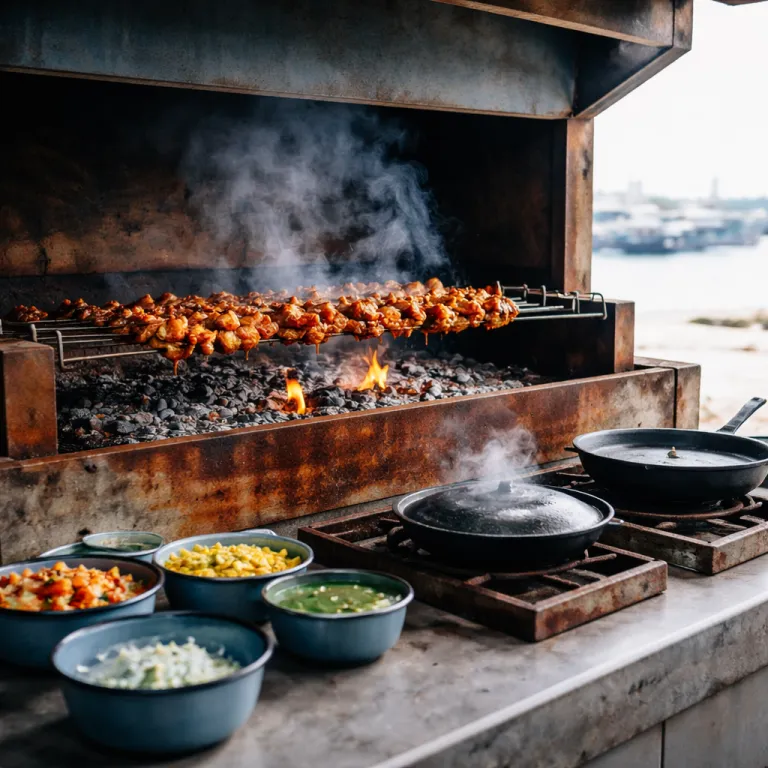
How to choose the best Caribbean islands for food focused travel
The best Caribbean islands for food are not interchangeable, and each island rewards travelers who plan their stay around specific flavors and neighborhoods. Couples booking a luxury hotel or resort spa should first decide whether they want beachfront grills, high-end dining, or a mix of street food and chef-driven tasting menus. When you match the right Caribbean island to your appetite, every trip feels like a private tasting menu.
Start by asking which Caribbean islands align with your preferred markets and food rituals, because the island best for rum-soaked evenings is not always the best island for quiet farm-to-table lunches. Jamaica excels at jerk and rum, Barbados at refined seafood and beach clubs, Trinidad and Tobago at street food like doubles and roti, while Puerto Rico and San Juan balance heritage dishes with cosmopolitan dining. For couples who value a luxury stay as much as the plate, focus on destinations where the hotel, resort, and local markets all speak the same culinary language.
Think in terms of food zones rather than generic travel lists, and map where you will actually eat from breakfast to late night. A Caribbean resort on a famous mile-long beach may look perfect, yet if the nearest markets and street food stalls are 20 kilometres away, you will miss the island’s food culture. The most rewarding Caribbean islands for food lovers are the ones where you can walk from your hotel lobby to a market, a beach shack, and a serious dining room in a single afternoon.
Street food versus fine dining across the region
Street food in the Caribbean is where you taste the island heartbeat, while fine dining shows how local chefs reinterpret that rhythm on white tablecloths. In Jamaica, the most vivid food memories often come from roadside jerk stands such as Scotchies or Boston Jerk in Portland Parish, yet Montego Bay and Kingston now host polished dining rooms where ackee and saltfish appears as a delicate starter. Barbados pairs Oistins Fish Fry with tasting menus in west coast resorts, so travelers can move from plastic tables to champagne pairings in one evening.
Trinidad and Tobago is the region’s masterclass in street food, and “What are doubles?” is answered simply as “A Trinidadian street food with curried chickpeas.” Here, any serious best Caribbean islands for food conversation always includes late-night markets, roti shops, and stalls near the beach that turn out shark and bake, especially around Maracas Bay. Couples who stay in a central hotel can graze from breakfast pholourie to post-party corn soup without ever booking a car, relying instead on short taxi rides of 10 to 20 minutes between neighbourhoods.
Puerto Rico and San Juan sit at a different point on the spectrum, where mofongo bars, lechón routes, and design-forward restaurants coexist within a short drive. The official answer to “What is mofongo?” is “A Puerto Rican dish made of mashed plantains.” In practice, that means you can order it from a humble counter in Santurce or as a luxury side dish in a resort spa, and both versions tell you why this Caribbean island belongs on any best island list for food.
Jamaica, Barbados and Trinidad Tobago: flavour capitals for serious eaters
Jamaica is non-negotiable when ranking the best Caribbean islands for food, because its jerk, patties, and rum culture shape menus across the region. The national dish of Jamaica is ackee and saltfish, and tasting it at a local beach café near your hotel breakfast room is a quiet luxury in itself. For couples, the sweet spot is a luxury resort that arranges guided stops at roadside jerk pits rather than keeping you inside the property gates.
Barbados answers the question “Which Caribbean island is known for flying fish?” with effortless confidence, because “Which Caribbean island is known for flying fish?” and “Barbados.” always appear together. The island’s flying fish and cou cou show up in both family-run dining rooms and polished hotel restaurants, while Oistins Fish Fry remains the island’s best stage for grilled seafood and rum punch. Choose a stay on the south coast if you want to walk from your resort to Oistins in around 15 minutes, or the west coast for more formal dining and sunset terraces.
Trinidad and Tobago, often shortened to Trinidad Tobago in travel searches, is where island food culture leans loud, spicy, and gloriously casual. “What are doubles?” is answered in every market as “A Trinidadian street food with curried chickpeas.”, and you will eat them for breakfast, post-beach, and after dark. Luxury here means a calm hotel base with easy taxi access to markets, roti shops, and late-night street food, not an isolated resort far from the action.
How to book hotels that match each island’s flavour
On these three Caribbean islands, the best hotel for food lovers is rarely the one with the most restaurants, but the one that connects you to the right local markets and beach stalls. In Jamaica, look for resorts that partner with jerk vendors and arrange guided street food tours, so your stay includes both poolside comfort and smoky roadside grills. In Barbados, a smaller luxury hotel near the south coast lets you walk to Oistins, while a resort spa on the west coast suits travelers who prefer long tasting menus and curated wine lists.
Trinidad Tobago rewards couples who choose a central stay in Port of Spain or near the main beach areas, because taxis to markets and street food hubs stay short and affordable. Ask your hotel concierge which market is best for fresh seafood that morning, and whether any local dining festivals overlap with your trip dates. The most satisfying Caribbean islands for food always reveal themselves through these small, practical details rather than glossy brochure promises.
Puerto Rico, San Juan and the Dominican Republic: where heritage meets resort luxury
Puerto Rico and its capital San Juan are often the first Caribbean island experience for travelers from the United States, and they set a high bar for island food culture. Old San Juan’s cobbled streets hide tiny dining rooms serving lechón and mofongo beside cocktail bars that would impress in New York or Miami. For couples, the appeal lies in pairing a luxury hotel stay in Condado or Isla Verde with evening walks into the old town for street food and late dinners.
The question “What is mofongo?” is officially answered as “A Puerto Rican dish made of mashed plantains.”, yet that definition barely hints at its range. You will find mofongo stuffed with seafood in beach shacks, topped with slow-cooked pork in family restaurants, and reimagined with truffle oil in resort spa dining rooms. This flexibility is why Puerto Rico consistently appears in any serious list of the best Caribbean islands for food, especially for travelers who like to mix casual and polished meals.
The Dominican Republic, and particularly Punta Cana, has long been associated with all-inclusive resort travel rather than culinary pilgrimages. That perception is changing as resorts bring in named chefs, invest in market-style food halls, and highlight local dishes like sancocho and fresh grilled fish. Couples who care about food should choose a resort or hotel that advertises local sourcing and off-property dining recommendations, not just a long buffet line.
Balancing resort convenience with local flavour
In both Puerto Rico and the Dominican Republic, the best island experiences for food lovers come from stepping beyond the resort gates. A beachfront resort in Punta Cana offers easy access to the beach and pool, but you will need short taxi rides to reach local markets and family-run dining rooms. In San Juan, by contrast, you can stay in a luxury hotel and still walk to street food stalls, cocktail bars, and fine dining within the same compact district.
Couples planning a winter escape from the United States often prioritise direct flights and beach time, yet a little research on neighbourhoods pays off. Look for hotels that mention partnerships with local chefs, curated market tours, or cooking classes that explain how island food evolved from African, European, and Indigenous influences. The most memorable Caribbean islands for food are not just serving you dinner, they are telling you why the plate in front of you tastes the way it does.
Rising stars: Antigua, Belize, Cayman Islands and the Virgin Islands
Some of the best Caribbean islands for food right now are the ones investing heavily in chefs, markets, and culinary events rather than relying on postcard beaches alone. Antigua is positioning itself as a serious culinary destination with events such as Antigua and Barbuda Restaurant Week in May, drawing regional talent and spotlighting local seafood and farm produce. For couples, this means you can book a luxury stay on a quiet beach and still spend evenings at pop-up dinners, chef collaborations, and market-driven events.
Belize, while technically on the Central American mainland, is firmly part of the Caribbean food conversation thanks to its cayes and reef-focused cuisine. The Belize Tourism Board has worked with professional chef organizations to certify elite chefs, raising standards in both hotel dining rooms and independent restaurants. Travelers who split their trip between the mainland and the islands experience markets, Mayan-influenced dishes, and seafood-heavy menus on the beach in a single itinerary.
The Cayman Islands, and especially Grand Cayman, have long punched above their weight in fine dining, with Seven Mile Beach acting as a corridor of resorts and restaurants. Here, a luxury resort spa may host a visiting Michelin-starred chef during a food festival and a local seafood celebration the next week, giving couples a reason to stay on property some nights and explore others. The British Virgin Islands and the wider Virgin Islands region are also quietly improving their island food offerings, with beach bars, markets, and hotel restaurants paying closer attention to local sourcing.
Why these islands suit food focused couples
Antigua, Belize, the Cayman Islands, and the Virgin Islands share a useful trait for couples planning a food-centric trip, because they combine manageable size with strong hotel infrastructure. You can stay in a single resort or hotel and still reach multiple markets, beach bars, and fine dining rooms within short drives or boat rides. That makes them ideal for travelers who want the best Caribbean balance between relaxation and culinary exploration without constant packing and unpacking.
On Grand Cayman, choose a stay along Seven Mile Beach if you want to walk between resorts, bars, and restaurants, or a quieter corner of the island if you prefer to taxi out for dinner. In Antigua, time your trip for major culinary events to access special menus and market gatherings, then retreat to a luxury beach resort when you need silence. Across the British Virgin Islands, look for properties that highlight seafood, rum, and local produce on their menus, not just generic international dishes.
Street food, markets and what a food focused trip really costs
Budget for a food-centric Caribbean trip depends less on the island label and more on how you balance street food, markets, and resort dining. Street food and local markets usually offer the best food value, letting you taste island food culture for a fraction of hotel restaurant prices. In Trinidad Tobago, for example, you can eat doubles, roti, and other street food dishes all day for the cost of a single fine-dining starter in a resort spa.
On Grand Cayman or Barbados, expect higher baseline prices, especially along famous stretches like Seven Mile Beach or the west coast, where luxury hotels dominate. Here, couples might plan one or two high-end dining nights, then lean on beach shacks, markets, and casual local dining to balance the budget. Puerto Rico and San Juan sit in the middle, with a wide range of options from inexpensive mofongo counters to ambitious tasting menus in hotel restaurants.
For a one-week stay, mid to high budget travelers should plan a mix of hotel breakfasts, market lunches, and restaurant dinners, adjusting by island. In more expensive Caribbean islands, allocate more to street food and markets, and reserve resort dining for special evenings or chef-led events. The most rewarding Caribbean islands for food focused travel reward this flexible approach, because you taste both the polished and the everyday plates that define each island.
Practical tips for planning and booking
When booking your hotel or resort, read menus and culinary programming as carefully as you check room photos. Look for properties that mention local sourcing, market tours, or partnerships with named chefs, because these details signal a genuine commitment to island food culture. If you are planning a special celebration, guides like the one on how to plan a Dreams Riviera Cancun wedding that feels like pure Caribbean luxury can help you think through logistics, even if your own trip is not a wedding.
Use culinary calendars to time your travel, from major restaurant weeks in Antigua to seafood festivals and rum events across the Caribbean islands. Ask hotels directly about any upcoming markets, street food tours, or chef residencies during your stay, since these are not always widely advertised. Couples who align their trip dates with these events often find that the best island for them is the one where the dining room feels like a front-row seat to the region’s evolving food story.
How luxury hotels are rethinking Caribbean dining
Luxury hotels and resorts across the Caribbean are reimagining what on-property dining can be, moving beyond generic buffets toward menus that reflect each island’s history. Many now bring in local chefs, host market-style brunches, and design beach grills that feel closer to street food than to traditional hotel restaurants. For couples, this means you can stay in a high-end resort and still feel connected to the island’s food culture without leaving the property every night.
On Grand Cayman, for example, some resorts along Seven Mile Beach host visiting chefs while also partnering with local markets for fresh seafood, so the best food on your plate has not travelled far. In Puerto Rico and the Dominican Republic, resort spa complexes are adding rum bars, ceviche counters, and mofongo stations that reference local traditions rather than importing generic concepts. Across the British Virgin Islands and wider Virgin Islands, smaller luxury hotels are curating intimate dining rooms where the chef can adjust menus nightly based on what the market delivers.
This shift aligns with broader trends in Caribbean tourism, where travelers increasingly seek authentic experiences and are willing to pay for them. Regional tourism bodies such as the Caribbean Tourism Organization report tens of millions of visitors to the Caribbean annually, and industry surveys consistently show that a majority of these travelers engage in culinary activities during their trip. For couples choosing between islands, that means the most compelling Caribbean islands for food are also the ones where hotels treat dining as a core part of the stay, not an afterthought.
What to ask before you book
Before confirming any luxury stay, ask the hotel specific questions about how they integrate local food into the guest experience. Do they offer guided visits to markets, cooking classes, or collaborations with nearby restaurants, or is all dining confined to a single buffet room? Are seafood and produce sourced from the island, or flown in from the United States and beyond, diluting the sense of place?
Clarify whether the resort can accommodate evenings when you want to eat off property, including advice on safe street food areas and reliable taxis. The answers will quickly reveal whether this is the best island base for your style of travel, or whether another Caribbean island might suit you better. Couples who ask these questions upfront tend to return home with clearer memories of flavours, markets, and beachside meals, not just of the hotel pool.
Key figures shaping Caribbean culinary travel
- Regional tourism organizations report that tens of millions of tourists visit the Caribbean annually, making the region one of the world’s most tourism-dependent clusters of islands. The Caribbean Tourism Organization, for example, has documented more than 30 million stopover visitors in recent peak years.
- Industry research indicates that a clear majority of these travelers engage in culinary activities such as market visits, cooking classes, or food tours, confirming that food is a primary driver of trip planning rather than a secondary perk. Surveys by destination marketing organizations frequently rank “trying local cuisine” among the top three trip motivations.
- Rising interest in culinary tours and farm-to-table dining has encouraged more hotels and resorts to invest in local sourcing, which in turn supports island farmers and fishers. This feedback loop strengthens both the visitor experience and the local economy.
- The growth of food festivals, from restaurant weeks in Antigua to seafood events in Grand Cayman and Barbados, reflects a regional strategy to position the best Caribbean islands for food as year-round destinations, not just winter beach escapes. Many of these festivals now publish annual calendars and attract repeat visitors who plan trips around specific dates.
FAQ about the best Caribbean islands for food
Which Caribbean island is known for flying fish?
Barbados is the Caribbean island most closely associated with flying fish, and it features prominently in the national dish alongside cou cou. You will find flying fish on menus from casual beach shacks to luxury hotel dining rooms. This makes Barbados a strong contender when ranking the best Caribbean islands for food focused on seafood.
What is the national dish of Jamaica?
The national dish of Jamaica is ackee and saltfish, a savoury combination of salted cod and the ackee fruit. It appears at both home-style dining rooms and hotel breakfast buffets across the island. Tasting it in Jamaica itself offers a deeper understanding of how island food reflects history and trade.
What is mofongo and where should I try it?
Mofongo is defined as “A Puerto Rican dish made of mashed plantains.” and it is a cornerstone of Puerto Rico’s cuisine. In San Juan, you can try mofongo in casual counters, mid-range restaurants, and high-end hotel dining rooms, each with its own twist. For the best experience, sample it in at least two different settings during your stay.
What are doubles and why are they famous in Trinidad and Tobago?
Doubles are described as “A Trinidadian street food with curried chickpeas.” and they are one of the most beloved snacks in Trinidad and Tobago. Sold from early morning into late night, they exemplify the island food culture of bold flavours and accessible prices. Food-focused travelers should plan at least one breakfast and one late-night stop at a doubles vendor.
How can I combine luxury hotels with authentic food experiences?
The most effective approach is to book a luxury hotel or resort that actively connects guests to local markets, street food, and independent restaurants. Look for properties that offer culinary tours, chef collaborations, or cooking classes rather than relying solely on in-house buffets. This balance lets you enjoy a comfortable stay while still tasting what makes each Caribbean island unique.