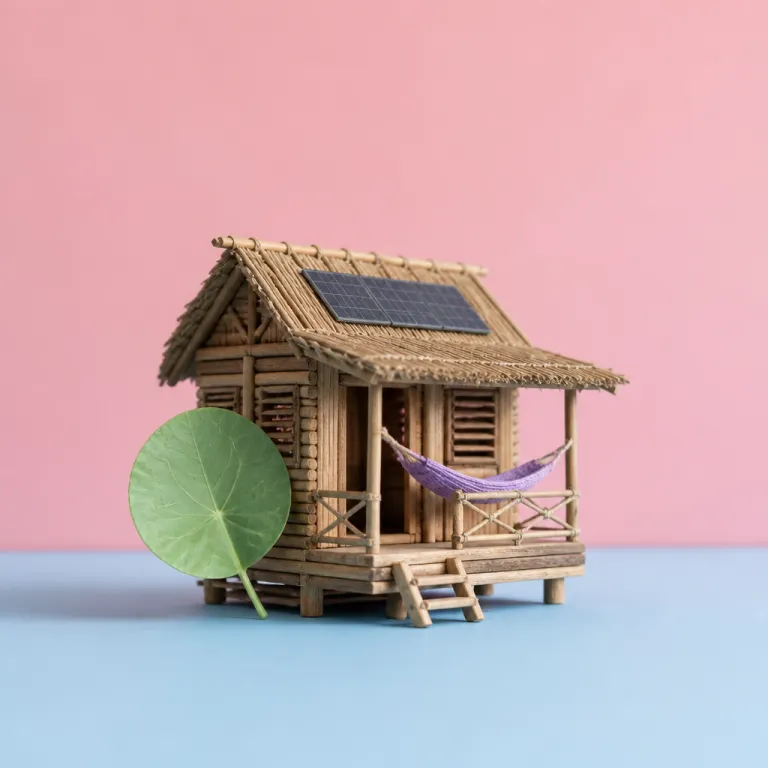
How to read this sustainable Caribbean hotels guide like a pro
Think of this sustainable Caribbean hotels guide as your private concierge for eco conscious stays. It is designed for couples who want romance and refinement, but who also expect a hotel to treat nature, water and energy as carefully as it treats Champagne. Every section translates sustainability claims into concrete practices, so you can compare hotels Caribbean wide with confidence.
Across the region, eco labels appear everywhere, yet not every hotel with a green logo has meaningful certification or transparent conservation programmes. A genuinely sustainable hotel in the Caribbean manages energy and water with precision, protects biodiversity on land and sea, and invests in staff development as seriously as it invests in its spa. When you use this guide sustainable framework, you move beyond marketing content and start reading each property’s engagement with its environment like an expert.
Start by checking which certification a hotel holds, then look at how that translates into daily practices that affect guests and local communities. Green Globe and EarthCheck are the most visible, while LEED focuses on building performance and energy water efficiency. When a property publishes clear content on its website about resources, waste, nature conservation and community tourism projects, you can usually trust that the hotel’s sustainability is more than a seasonal campaign.
What genuine sustainability looks like in Caribbean luxury hospitality
A sustainable Caribbean hotel does not ask you to sacrifice comfort, but it will invite you to engage differently with place. Expect thoughtful design that maximises natural light and ventilation, reducing energy demand before any solar panel is installed. In the best hotels Caribbean wide, this design intelligence is paired with meticulous monitoring of water use, from low flow fixtures in suites to efficient irrigation in landscaped areas.
Energy systems are a clear indicator of depth, because on many islands diesel is still the default. When a hotel runs on a high share of solar or wind, or uses heat recovery from air conditioning to warm spa water, you are seeing sustainability embedded in engineering rather than in slogans. The same applies to water, where rainwater harvesting, greywater recycling and desalination powered by renewable energy show that resources are being managed for the long term.
Equally important are social practices that shape how tourism supports local life rather than displacing it. Look for hotels that train and promote local staff into leadership roles, source food from nearby farms and fisheries, and fund conservation of surrounding nature through marine fees or reforestation. When guests are invited into this engagement through guided biodiversity walks, reef safe spa products and transparent reporting, sustainability becomes part of the stay rather than a line in the marketing guide.
Saint Lucia’s eco leaders: Jade Mountain, Anse Chastanet and BodyHoliday
Saint Lucia has become the reference point for sustainable Caribbean hotels that still feel unapologetically luxurious. On the south west coast, Jade Mountain rises above the Pitons with open air sanctuaries that eliminate the need for heavy air conditioning and frame nature as the main amenity. This architectural choice reduces energy demand while immersing guests in the island’s biodiversity, from hummingbirds at breakfast to the changing colours of the bay’s water at dusk.
Just below, Anse Chastanet operates as a living laboratory for sustainable tourism in a fragile marine environment. The hotel supports reef conservation, manages energy water use carefully and limits development in sensitive areas above the shore. Its long running engagement with local communities, from art programmes to farm partnerships, shows how a single property can anchor green economic activity across a valley rather than just along the beach.
On the island’s north west, BodyHoliday takes a different route, blending structured wellness with rigorous sustainability practices. Here, the spa becomes a hub for education, using products that respect marine life and explaining to guests how their choices affect nature beyond the treatment room. Across these Saint Lucian hotels Caribbean travellers can see how certification, careful resource management and community partnerships turn a simple hotel stay into a guide sustainable model for the wider region.
Nature first: Dominica, Bonaire and the new conservation business model
Some islands have built their entire tourism strategy around conservation, and Dominica is the clearest example. Branded the Nature Isle, it has encouraged a style of sustainable tourism where hotels sit lightly in the landscape and rely heavily on renewable energy. Properties such as Coulibri Ridge use solar power, rainwater harvesting and low impact construction to show how a hotel can operate almost off grid while still offering refined comfort to guests.
In Bonaire, the equation between tourism and conservation is even more explicit, especially under the water. The island’s marine park fees fund reef protection, and dive focused hotels Caribbean side have learned that healthy biodiversity is their core asset, not an optional extra. Here, a sustainable hotel is one that limits anchoring, treats wastewater before it reaches the sea and educates divers on how their fin kicks affect coral areas that took centuries to grow.
Across both islands, you will notice that green engagement is not a side project but the business model itself. Hotels publish clear content about where conservation fees go, how much energy comes from renewables and which local guides lead nature excursions. When you see this level of transparency in a sustainable Caribbean hotels guide, you can book knowing that your stay supports long term protection of land, water and marine resources rather than short term extraction.
Island standouts: from Grenada to Puerto Rico and the Cayman Islands
Beyond the headline eco destinations, a quieter wave of sustainable hotels is reshaping expectations across the wider Caribbean. In Grenada, True Blue Bay Resort has woven sustainability into daily operations, from solar panels and rainwater systems to strong engagement with local artisans and food producers. The hotel’s colourful architecture hides serious engineering, with energy water saving technologies that reduce strain on island resources while keeping guest comfort high.
Over in Vieques, Puerto Rico, Hix Island House offers a more minimalist expression of green design. Its concrete forms capture breezes, its roofs harvest water and its solar arrays power much of the property, creating a hotel where nature does much of the work usually assigned to machines. Guests quickly sense that this is not a marketing exercise but a set of practices that shape every aspect of the stay, from the temperature of the pool to the lighting of pathways at night.
In Grand Cayman, VIDA Cayman Islands shows how even in a finance driven hub, a hotel can champion sustainable tourism. The property focuses on efficient energy systems, careful water management and partnerships that protect nearby marine areas, proving that luxury and conservation can coexist on a densely visited island. Together, these hotels Caribbean wide demonstrate that when a guide sustainable framework is applied consistently, very different properties can still align around shared green principles and credible certification.
How to decode certifications, pricing and green claims when booking
When you scroll through a booking website, the language around sustainability can feel opaque. Labels such as Green Globe, EarthCheck and LEED each focus on different areas, from building energy performance to broader tourism practices and community engagement. To use this sustainable Caribbean hotels guide effectively, treat certification as a starting point, then read how each hotel explains its work with water, waste, biodiversity and local suppliers.
Price is often misunderstood, because some travellers assume that a sustainable hotel must be more expensive. In reality, efficient energy water systems, reduced waste and smart design can lower operating costs, which sometimes allows hotels to keep rates competitive outside peak tourism seasons. The key is to compare what is included, from reef conservation fees to spa access, and to recognise that paying slightly more can mean your stay funds long term protection of nature rather than short term overuse of resources.
As you evaluate content on booking platforms, look for specific numbers rather than vague green promises. A credible hotel will mention the percentage of energy from renewables, the volume of water saved or treated, and the hectares of surrounding areas under conservation. If you are planning a wider Caribbean trip that includes destinations like Cancún, it is worth reading practical guidance such as the legal drinking age overview for luxury resort guests, which you can find on stay in Caribbean’s dedicated page about understanding local regulations, to align responsible behaviour with responsible stays.
Practical booking tips for eco conscious couples using this guide
Couples using this sustainable Caribbean hotels guide usually want romance, privacy and a clear conscience. Start by shortlisting islands whose tourism strategies align with your values, whether that is Dominica’s nature first approach, Bonaire’s marine conservation focus or Saint Lucia’s blend of wellness and design led sustainability. Then compare hotels Caribbean wide that share similar certification levels, paying attention to how each property manages energy, water and community relationships.
When you contact a hotel directly, ask precise questions about resources and practices rather than general green policies. You might enquire about how greywater is reused in garden areas, whether the spa uses reef safe products, or how the hotel supports local biodiversity through reforestation or marine projects. The clarity and enthusiasm of the response will tell you as much about genuine engagement as any logo on the website.
During your stay, small choices reinforce the hotel’s efforts and deepen your connection to nature. Join guided walks that explain local conservation, choose low impact excursions over motor heavy options and respect water saving requests in your suite. As one expert answer in our dataset puts it with refreshing simplicity, “What defines a sustainable hotel? A hotel that minimizes environmental impact and supports local communities.”
Key figures shaping sustainable luxury stays in the Caribbean
- Approximately 70 % of global travellers now say they are interested in eco friendly accommodations, according to Travel Weekly, a shift that directly supports the growth of sustainable hotels in the Caribbean.
- The Caribbean Tourism Organization reports a 35 % increase in sustainable hotel bookings since 2020, showing that green practices are moving from niche preference to mainstream expectation among premium guests.
- On islands where hotels source a majority of their energy from renewables, operators often report double digit reductions in utility costs, which can help stabilise room rates despite rising fuel prices.
- Marine park fee models, such as those used in Bonaire, have channelled millions of dollars into reef conservation over several decades, proving that tourism can fund biodiversity protection when structured carefully.
- Properties that invest in staff training and local sourcing typically retain employees longer, improving service consistency and strengthening the link between hotels and surrounding communities.
Frequently asked questions about sustainable Caribbean hotels
What defines a sustainable hotel in the Caribbean luxury segment ?
A sustainable hotel in the Caribbean luxury space minimises environmental impact while supporting local communities through fair employment, local sourcing and conservation funding. It manages energy and water efficiently, protects nearby nature and biodiversity, and is transparent about its practices. Certifications such as Green Globe, EarthCheck or LEED often validate these efforts, but clear reporting and on the ground projects matter just as much.
How can I verify a hotel’s sustainability claims before booking ?
Start by checking which certification the hotel holds and whether that certification is current and independently audited. Then read the property’s sustainability content, looking for specific data on energy use, water management, waste reduction and conservation projects in surrounding areas. If information is vague, email the hotel with targeted questions about resources, community engagement and biodiversity protection to gauge the depth of its commitment.
Are sustainable hotels in the Caribbean always more expensive ?
Prices vary widely, and a sustainable hotel is not automatically more expensive than a conventional one. Efficient energy water systems, reduced waste and smart design can lower operating costs, which sometimes allows properties to offer competitive rates, especially outside peak tourism periods. When rates are higher, it is often because the hotel invests in conservation, staff training and local sourcing that deliver long term value for both guests and communities.
Do sustainable Caribbean hotels still offer full luxury amenities ?
Many of the leading sustainable hotels Caribbean wide combine high end design, fine dining and sophisticated spa experiences with rigorous green practices. You can expect open air suites, private plunge pools, curated wellness programmes and attentive service, alongside renewable energy systems and conservation initiatives. The difference is that your stay supports nature and local livelihoods rather than undermining them.
Can I find sustainable hotels on every Caribbean island ?
Availability varies by island, with destinations such as Saint Lucia, Dominica and Bonaire currently offering some of the strongest portfolios of certified sustainable hotels. Other islands, including Grenada, Jamaica and the Cayman Islands, now feature standout properties that are raising the bar for responsible tourism. Using a detailed sustainable Caribbean hotels guide helps you identify these leaders and avoid properties whose green claims are mostly marketing.