
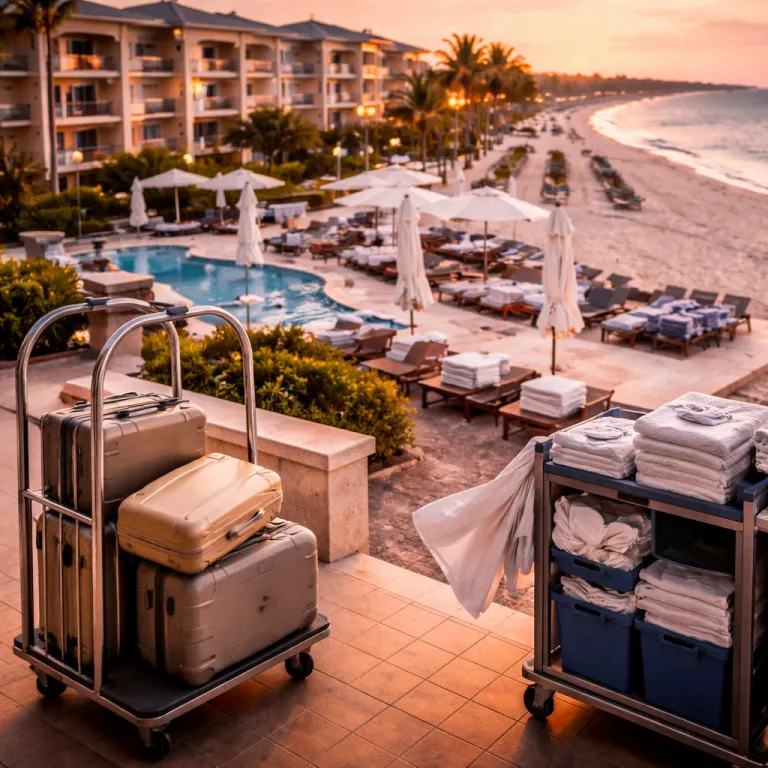
Caribbean hotel occupancy 2026: from recovery to full‑scale boom
Caribbean hotel occupancy in 2026 is no longer a recovery story; it is a full scale boom reshaping how luxury travelers plan. According to preliminary STR pipeline data compiled for the Caribbean Hotel and Tourism Association (CHTA) in its “Caribbean Performance Update Q1 2026” briefing (released April 2026 and based on daily reports from more than 1,000 branded and independent properties across the region), regional occupancy moved from roughly seventy one percent in January to more than seventy six percent in February and then reached seventy nine percent in March. That March peak outperforms any single month in the previous several years and signals a new phase for high end tourism across the islands. For guests eyeing a five star hotel on a prime island, that surge means fewer last minute options and a clear need to treat the first three months of the year as peak season rather than a gentle ramp up.
The wider region is being pulled upward by several converging forces that directly affect hotel availability and pricing. North American demand is leading the charge as remote work allows longer winter stays, while new international airlift into hubs such as the Cayman Islands, the Dominican Republic and Turks and Caicos compresses premium inventory on key weekends and during the high value months from January to March. STR’s sample, which covers roughly seventy percent of chain affiliated room supply and a growing share of luxury independents, shows average daily rate (ADR) climbing above US$420 and revenue per available room (RevPAR) rising more than twelve percent year over year in early 2026. The CHTA and STR, working with local hotel associations and the Caribbean Tourism Organization, use these real time analytics and financial reports to track the occupancy wave so that stakeholders can monitor industry health, inform strategic decisions and guide pricing for luxury hotels across the region. Readers can review the latest figures in the official STR “Caribbean Performance Update Q1 2026” summary and the CHTA’s companion “Caribbean Hotel Performance Dashboard 2026” briefing, which both provide island level occupancy, ADR and RevPAR tables.
For travelers, the headline number for regional room demand hides sharp differences between islands and months. A waterfront hotel in Aruba or on a smaller island such as Bonaire or an exclusive British Virgin Islands retreat is now filling earlier than comparable hotels in some larger markets, while destinations with strong cruise traffic see compressed availability around ship days. In March 2026, for example, STR/CHTA figures show Aruba averaging about eighty two percent occupancy with RevPAR near US$360, while Grand Cayman pushed close to eighty five percent and Turks and Caicos hovered around eighty three percent. The official guidance from regional analysts is blunt and worth repeating in full for anyone planning a high end stay: “Book accommodations early due to high occupancy,” notes CHTA president Nicola Madden-Greig, who describes the current cycle as “the most sustained period of premium demand the Caribbean has seen in more than a decade.” To make these contrasts easier to scan, the simplified snapshot below summarizes key island performance indicators for March 2026.
| Island (March 2026) | Occupancy (%) | ADR (US$) | RevPAR (US$) |
|---|---|---|---|
| Grand Cayman | ~85 | ~460 | ~390 |
| Turks and Caicos | ~83 | ~480 | ~400 |
| Aruba | ~82 | ~440 | ~360 |
| Saint Kitts and Nevis | ~78 | ~320 | ~250 |
Where the pressure is highest: island by island shifts luxury guests must track
Behind the regional averages, the 2026 boom in Caribbean hotel stays is being driven by a handful of standout islands that are reshaping luxury demand patterns. The Cayman Islands, for example, recorded a double digit visitor increase in February alone, and that surge is flowing straight into waterfront hotels on Grand Cayman where three night minimums are becoming standard during peak months. Similar dynamics are visible in Turks and Caicos, where new international routes from major North American cities are pushing occupancy higher in both large resorts and smaller independent hotels along Grace Bay.
On the Atlantic side of the region, the Dominican Republic and its flagship resort area of Punta Cana are absorbing a significant share of upscale tourism, yet even there the combination of cruise arrivals and air passengers means that a beachfront hotel with strong reviews will often sell out long before December holiday periods. Travelers considering a split stay between Puerto Rico and Punta Cana, or between Antigua and Barbuda and the quieter Saint Vincent and the Grenadines, should treat February and March as fully committed months rather than flexible shoulder periods. Families planning multi room suites can find strong value in curated properties in Belize and Costa Rica, and our detailed guide to Belize family resorts and luxury Caribbean stays shows how to secure space before occupancy spikes.
Secondary islands are not immune to the 2026 surge in Caribbean room demand, even if their stories are more nuanced. In Trinidad and Tobago, business travel and events keep city hotels busy during the week, while Tobago’s coastal resorts fill with leisure guests over long weekends and during key months such as January and March. Smaller destinations including Saint Kitts and Nevis, the British Virgin Islands, Bonaire in the Dutch Caribbean and the cluster of islands stretching from Curaçao and Dominica to Cuba and Grenada are seeing a rise in international arrivals who are deliberately avoiding the busiest hubs yet still contributing to steadily rising occupancy throughout the year. A simple island level snapshot from the STR/CHTA Q1 2026 update illustrates the pattern: Grand Cayman at roughly eighty five percent, Turks and Caicos at eighty three percent, Aruba at eighty two percent and Saint Kitts and Nevis just under seventy eight percent, all well above their five year seasonal averages and reinforcing the broader Caribbean hotel ADR and RevPAR upswing.
Pricing, availability and how to secure value in a tight luxury market
With regional hotel occupancy in 2026 running ahead of expectations, pricing is responding in ways that sophisticated travelers need to anticipate. Rising average daily rates are most visible in the first three months of the year, when a leading hotel on a marquee island such as Aruba, Grand Cayman or Turks and Caicos can command a premium for oceanfront suites and club level rooms. By contrast, guests willing to travel in late April, May or early June often find that the same hotels quietly release value driven packages before the next wave of international visitors arrives for late summer and festive periods.
Strategic timing is now the most reliable way to balance luxury and value across the Caribbean region. Shoulder season stays in destinations such as Puerto Rico, Antigua and Barbuda, Saint Vincent and the Grenadines or Saint Kitts and Nevis can deliver five star service with more relaxed occupancy, while still offering easy connections to cruise ports and nearby islands for day trips. Travelers combining business and leisure in hubs like Panama, Puerto Rico, Guyana or Haiti can also leverage loyalty programs to secure upgrades at city hotels before heading onward to resort areas such as Puerto Rico’s coastal enclaves and Punta Cana, or to curated seaside hideaways in Costa Rica, Trinidad and Tobago or the quieter corners of Turks and Caicos.
Luxury guests looking for specific experiences should think in terms of islands and months rather than generic Caribbean sunshine. A refined resort day pass in Cozumel, for example, can be paired with a longer stay in Tulum or Turks and Caicos, and our guide to a refined Cozumel all inclusive resort day pass itinerary explains how to weave that into a wider trip that also touches Tobago or Tulum. For those focused on all inclusive service, our in depth Montego Bay Sandals resort reviews show how high occupancy can coexist with attentive service, and why booking early in months such as February, March and December remains the single most effective tactic for securing the exact room, view and level of privacy you expect from a top tier Caribbean hotel.