Why rhum agricole vs rum matters when you book a Caribbean hotel
The phrase “rhum agricole vs rum Caribbean guide” sounds technical, yet it quietly shapes how you eat and drink across the islands. When you choose a luxury or premium hotel in the Caribbean, you are also choosing between two families of spirit, two histories of sugar production and two very different evenings at the bar. Understanding how each style of rum behaves in the glass helps you match the right property, the right bar program and the right island to your own palate.
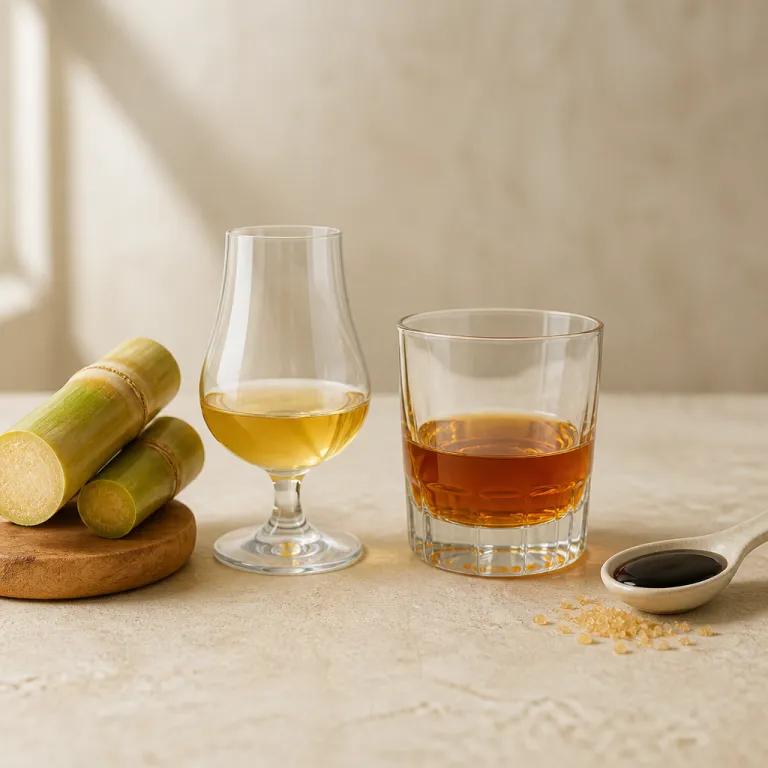
Rhum agricole is rum made from fresh sugarcane juice, while classic Caribbean rum is usually made from molasses, a byproduct of sugar production. That single decision — fermenting cane juice or molasses-based syrup — divides the region into agricole and molasses cultures, from Martinique and Guadeloupe on the French side to Barbados, Jamaica and Trinidad on the English-speaking side. This split in raw material underpins everything from flavour and ageing potential to which bottles appear on serious hotel bar menus.
On islands where sugar cane still grows within a few kilometres of the sea, you will often find distillery visits woven into hotel experiences, from private tastings of agricole blanc to vertical flights of rhum aged in oak. In other destinations, the focus shifts to aged rums from major rum brands, poured as full-bodied digestifs in candlelit lounges or shaken into gold standard cocktails by bartenders who treat each barrel as a vintage. A thoughtful rhum agricole vs rum Caribbean guide lets you read a hotel bar menu the way a sommelier reads a wine list.
From cane juice to molasses: how terroir shapes your glass and your stay
On Martinique, rhum agricole begins in volcanic soil, where sugarcane pushes deep roots into slopes that look up toward Mount Pelée. Local distilleries press fresh cane juice within hours of harvest, fermenting this sugarcane juice into a grassy, high-toned spirit that tastes of lime peel, cut herbs and sea spray. The result is a family of rhums — from crystalline agricole blanc to rhum aged for many years in oak — that pairs naturally with the island’s seafood-driven cuisine.
By contrast, Barbados leans into molasses-based rum, where the cane has already given up its sugar to the refinery and what remains is cooked down into a dark, viscous base. Producers such as Mount Gay on Barbados and Flor de Caña from Nicaragua (both often featured in serious hotel bars across the region) transform this molasses into aged rums that feel round, caramelised and gently spicy. These rums often spend many years in barrel, picking up notes of vanilla, toasted coconut and baking spice that flatter rich desserts and slow braises.
When you compare Martinique rhum with a Barbadian-style rum in a hotel tasting, you are really tasting two landscapes — volcanic rock versus coral limestone, cane juice versus molasses, French distilling culture versus Anglo-Caribbean blending. For travellers who plan their stays around food, our island-by-island culinary guide to where you eat best in the Caribbean on Stay in Caribbean helps you align these spirits with specific hotel kitchens and bar programs. A precise rhum agricole vs rum Caribbean guide becomes a map for pairing terroir-driven spirits with equally thoughtful plates.
Hotel bars as classrooms: where to learn rhum agricole and rum like an insider
Luxury hotels across the Caribbean now treat rum lists with the same seriousness that European palaces reserve for wine cellars. In Martinique, Guadeloupe and Marie Galante, high-end properties often collaborate directly with nearby distilleries, inviting rhum agricole producers to host masterclasses on everything from pot still versus column still distillation to the nuances between young agricole rum and older rhums. At Club Med Les Boucaniers in Martinique, for example, guests can join guided tastings led by local distillers, turning a simple welcome drink into a structured rhum agricole vs rum Caribbean guide anchored in real glasses and real stories.
On Barbados, Antigua and Saint Lucia, hotel bars lean into molasses-based rums, curating flights that might move from a light gold style rum to a deeper, more full-bodied expression from Mount Gay or a Central American house such as Flor de Caña. Some properties now offer “rum and route” experiences, pairing a day of sailing or hiking with an evening of aged rum tasting, where you compare spirits that were filled into barrel years ago with younger, more vibrant rums. As rum tourism grows, these programs mirror the way dedicated rum travellers visit distilleries and attend regional festivals, but they fold the experience neatly into your stay.
For travellers who time their trips around gastronomy, Antigua’s emerging reputation on the awards circuit has pushed hotels to refine both their kitchens and their rum lists. Our deep dive into Antigua’s claim as a Caribbean food capital on Stay in Caribbean shows how chefs there use both rhum agricole and molasses-based rum in sauces, glazes and desserts. In the right property, the bar becomes a classroom, the restaurant a laboratory and each glass a case study in how sugar, cane juice and careful ageing can elevate a meal.
Pairing rhum agricole and molasses rum with Caribbean hotel dining
Once you understand the split between rhum agricole and molasses rum, hotel menus start to read differently. A citrusy ceviche or a plate of just-grilled lobster sings alongside a chilled pour of agricole blanc, where the fresh pressed cane juice character mirrors the brightness on the plate. Richer dishes — slow-cooked pork, plantain gratins, chocolate desserts — often call for an aged rum, where time in barrel has layered in notes of toffee, cocoa and roasted nuts.
In French Caribbean resorts, chefs frequently cook with rhum agricole, using both young and rhum aged expressions to deglaze pans, macerate fruit or flame bananas. The grassy, slightly saline edge of these rhums cuts through sweetness, especially when the base spirit comes from sugarcane grown within a few kilometres of the kitchen. On tasting menus, you may see pairings that move from a young, almost floral agricole rum to a darker, gold rhum agricole aged years in oak, each chosen to echo a specific ingredient.
Elsewhere in the Caribbean, molasses-based rums dominate dessert carts and after-dinner trolleys, where bartenders pour aged rums from classic rum brands into tulip glasses. A well-run luxury property will often offer both families side by side, encouraging guests to compare a full-bodied, pot-distilled spirit with a lighter column-distilled counterpart. For travellers who want to weave these experiences into their hotel choice, our guide to elevating your Caribbean journey through culturally tuned luxury booking platforms on Stay in Caribbean explains how to read between the lines of bar menus and room service lists.
How to choose islands and hotels by rum style, not just by beach
Planning a Caribbean trip around rum might sound obsessive, yet for many solo explorers it is simply another way to structure a journey. If your palate leans toward bright, herbal, almost saline spirits, then islands anchored in rhum agricole — Martinique, Guadeloupe, Marie Galante, parts of Haiti — should sit high on your list. There, you can stay in properties that look directly toward Mount Pelée, spend afternoons touring distilleries and taste rhums that move from crystalline agricole blanc to complex, oak-toned rhum aged for many years.
If you prefer richer, caramelised flavours, then Barbados, Jamaica, Trinidad and the Dominican Republic offer a different kind of pilgrimage. Hotels on these islands often feature extensive lists of molasses-based rums, including venerable houses such as Mount Gay and respected Central American producers like Flor de Caña, served neat, on the rocks or in carefully built cocktails. Many properties now host guided tastings that compare rums filled into barrel years ago with younger bottlings, helping guests understand how time, climate and cask type shape a spirit.
Across the region, the global rum renaissance has nudged luxury hotels to treat rum as a serious category rather than a generic mixer. “What is rhum agricole? Rum made from fresh sugarcane juice.” and “Where is rhum agricole produced? Mainly in French Caribbean islands like Martinique and Guadeloupe.” sit at the heart of this shift, even if they never appear on the menu. A thoughtful rhum agricole vs rum Caribbean guide lets you choose not only the right island and hotel, but also the right bar stool, the right sunset and the right glass.
FAQ
What is the main difference between rhum agricole and molasses rum ?
The core difference lies in the base ingredient used for fermentation. Rhum agricole is produced from fresh pressed sugarcane juice, while most Caribbean rum is made from molasses, which is a thick byproduct of sugar production. This creates a grassy, herbal profile in agricole styles and a richer, caramelised character in molasses-based rums.
Why is Martinique so important for rhum agricole lovers ?
Martinique is the reference point for rhum agricole because its producers work under a protected designation framework (AOC Martinique, recognised in 1996) similar to wine appellations. The island’s volcanic soils, proximity to Mount Pelée and clearly defined sugarcane growing zones give Martinique rhum a strong sense of place. Many luxury hotels there build tastings and distillery visits into their guest experience, making it ideal for travellers who want to understand agricole rum in depth.
Is rhum agricole easy to find in Caribbean hotel bars ?
Rhum agricole represents only a small share of the global rum market, so it is less common than molasses-based rums. However, in French Caribbean islands such as Martinique and Guadeloupe, most serious hotel bars will offer several rhums, from young agricole blanc to older rhum aged expressions. On other islands, you may find a few agricole bottles alongside larger international rum brands.
How should I pair rum with Caribbean food during my stay ?
As a general rule, lighter dishes such as ceviche, grilled fish or salads pair well with young rhum agricole, where the fresh cane juice notes echo citrus and herbs. Richer plates, including stews, jerk meats or chocolate desserts, work better with aged rums that have spent years in barrel and developed flavours of vanilla, toffee and spice. Many luxury hotels now offer pairing suggestions on their menus or through guided tastings.
Can I visit distilleries easily from luxury and premium hotels ?
On many islands, high-end properties collaborate closely with nearby distilleries to arrange private tours and tastings. In Martinique and Guadeloupe, it is common to find half-day excursions that combine cane field visits, a walk through the distillery and a structured rhum agricole vs rum comparison. In Barbados, Jamaica and other molasses-focused islands, hotels often organise visits to historic producers such as Mount Gay, where you can trace the journey from sugar cane to glass.