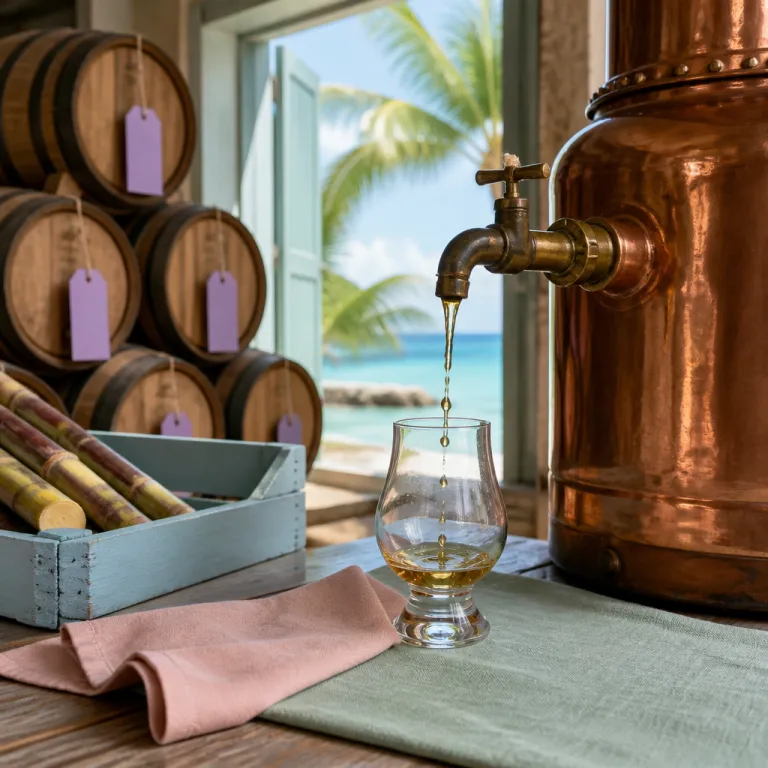
Why Caribbean rum now rivals single malt pilgrimages
Caribbean rum has entered a new era of connoisseur travel. Where whisky lovers once flew to Speyside or Islay, rum enthusiasts now cross the islands for carefully planned distillery itineraries that feel just as exacting and quietly luxurious. The shift is reshaping how premium hotels, cruise lines and private estates think about gastronomy, bar programs and curated rum experiences.
This renaissance is rooted in work that respects history while embracing innovation. Tourism boards, local farmers and family owned rum distilleries collaborate with high end resorts to turn each visit into a layered experience, from cane field walks to guided tastings of aged rums in candlelit cellars. As one Martinique guide likes to say while tapping a barrel, “every cask is a history book you can drink.” The ambition is clear and shared across producers throughout the region: preserve cultural heritage, revitalise local economies and offer distinctive bottlings that elevate Caribbean rum to the same pedestal as the best wine or whisky.
For travelers choosing where to stay, the question is no longer simply which island has the best beach. The more interesting decision is which estate, island or harbour gives you the richest rum tour options, the most thoughtful local experts and the clearest view into the process behind great rum. A well designed rum trail or tasting program now sits alongside spa menus and golf courses as a deciding factor when booking luxury hotels, private villas or small ship cruises across the region.
How luxury hotels curate rum forward experiences
High end properties across the Caribbean islands have quietly rewritten their bar playbooks. Instead of anonymous house pours, you now see precise lists of Caribbean rum brands, separated by island, distillery and types of rum, with tasting notes that read like a sommelier’s notebook. The best hotels pair these lists with in house rum hosts who can explain pot stills versus column stills, molasses versus fresh sugar cane juice and why certain aged rums belong with dessert rather than aperitif snacks.
Many luxury resorts now integrate half day and full day distillery excursions into their concierge offerings. A typical guided outing might start with a morning drive through sugar cane fields, continue with a behind the scenes walk through working distilleries and end with a structured tasting of several rums, including limited releases that rarely leave the island. On Barbados and Jamaica, for example, standard tours often last 90 minutes to three hours, while private, chauffeur driven days that link multiple estates can run six to eight hours and cost from around US$100 per person, depending on group size and tasting level. Some hotels even coordinate private access outside normal hours, allowing guests to view the production process in near silence, with only the soft clank of copper and the scent of fermenting sugar in the air.
For cruise travelers, the same philosophy is reshaping shore excursions. Premium cruises now market curated rum experiences rather than generic city tours, offering small group visits to rum distilleries, guided tastings on board and masterclasses that compare different types of rum from Barbados, Jamaica, Puerto Rico and beyond. Whether you arrive by cruise ship, private yacht or scheduled flight, the expectation is that your hotel or ship can act as a confident guide to the region’s most characterful distilleries across the Caribbean.
Barbados and Jamaica: English style rum, estates and cellar tastings
Barbados is where many serious drinkers start their rum travel. Mount Gay is widely recognised as the oldest rum distillery in the Caribbean, established in 1703 and still referenced in 18th century plantation records, and its visitor centre has evolved into a polished yet grounded experience that suits both first time visitors and seasoned rum enthusiasts. A well planned Barbados itinerary will usually weave Mount Gay with a visit to Foursquare Rum Distillery, the family owned producer whose Exceptional Cask Series has earned deep respect among whisky collectors.
At Foursquare, the work behind each bottle is laid bare in a way that appeals to guests who appreciate craftsmanship. You walk past column stills and pot stills, see the interplay between modern fermentation tanks and traditional wooden casks and learn how different types of rum are blended or bottled as single vintages. One guide likes to pour two glasses from the same year, aged in different barrels, and ask guests which they would choose to bottle; the discussion mirrors the broader Caribbean rum renaissance, where traditional methods meet modern control systems to create rums that can stand beside the best spirits from Scotland or Cognac.
Jamaica offers a different, more exuberant chapter in any rum guide. Appleton Estate, set in the lush Nassau Valley, anchors many Jamaica rum tours with its combination of estate history, guided tastings and a clear explanation of how local sugar cane, long fermentations and pot stills create that unmistakable Jamaican funk. During one tasting, a host may line up four expressions and invite guests to identify notes of orange peel, coffee and molasses, showing how the same estate can produce a spectrum of flavours. Hampden Estate, meanwhile, has become a cult stop for rum enthusiasts who seek high ester rums; its tours lean into the bold aromas, the long history of the estate and the social role of the Jamaican rum bar as a community institution.
Where to stay for serious tastings
On Barbados, luxury hotels along the west coast now compete on the depth of their rum lists. Several properties host weekly vertical tastings of aged rums from Foursquare and Mount Gay, pairing them with refined Bajan dishes so guests can view rum as a gastronomic partner rather than just a cocktail base. Concierges routinely arrange private driver guides for bespoke distillery tours, ensuring you can enjoy generous pours without worrying about the return journey.
In Jamaica, high end resorts in Montego Bay and the south coast increasingly frame rum as part of a broader cultural immersion. A rum focused day here might combine a morning at Appleton Estate with an afternoon rum bar crawl, where you taste different rums neat, with coconut water or in classic cocktails while hearing stories about local history. For travelers who like to pair spirits with food, it is worth reading about the Cayman Islands dining scene, as outlined in this detailed look at the Caribbean’s culinary capital at how the Caribbean’s culinary capital earned its place at the table, before planning a multi island itinerary that balances rum, cuisine and coastal relaxation.
Both islands reward guests who stay at properties that treat rum as a serious part of their identity. Look for hotels that host visiting distillers, offer curated rum flights in the bar and provide printed tasting booklets in rooms, explaining the difference between local rum brands, their production process and suggested food pairings. These thoughtful touches turn a simple drink into a memorable experience that lingers long after you leave the island.
Martinique and the French Caribbean: from sugar cane fields to AOC glasses
Martinique is where many travelers realise that not all rums taste or behave the same. The island is home to rhum agricole, a style of Caribbean rum made from fresh pressed sugar cane juice rather than molasses, and it is the only rum category with a French AOC that regulates production. This distinction matters for anyone following a rum themed itinerary, because it changes both the flavour profile in the glass and the landscape you explore on the ground.
On Martinique, distillery tours often begin in the cane fields themselves. At estates such as Clément, Trois Rivières or JM, you can walk between rows of sugar cane, watch the harvest during the production season and then follow the juice as it moves through mills, fermentation tanks and copper pot stills or column stills. Guides explain in clear terms what rum lovers often ask: “What is the difference between molasses-based and sugarcane juice rums? Molasses-based rums are made from sugar byproduct; sugarcane juice rums use fresh juice.” The main harvest typically runs from about February to June, though exact dates vary with weather and estate.
This agricultural focus shapes the island’s hospitality scene. Many premium hotels and villas on Martinique and neighbouring Guadeloupe now offer rum enthusiasts tailored tour packages that include estate visits, guided tastings of different types of rum agricole and dinners where chefs pair local seafood with specific rums instead of wine. For travelers who care as much about what is in the glass as what is on the plate, this island pairing is one of the best gastronomic journeys in the Caribbean islands.
French Caribbean itineraries for rum and food lovers
A refined Caribbean rum distillery tour guide for the French Caribbean often links Martinique and Guadeloupe in a single trip. You might spend several nights in a coastal hotel with a strong rum list, using it as a base for day tours to multiple rum distilleries that each highlight a different expression of sugar cane, soil and ageing. Along the way, you taste both young, grassy rums and older, barrel aged rums that show how time and wood transform agricole spirits.
Food is never an afterthought on these islands. Many travelers plan their stays around restaurants and rum bars that treat Caribbean rum with the same seriousness as Burgundy, and a useful planning resource is this honest island by island guide to where you eat best in the region, available at the Caribbean islands where you eat best. When hotels coordinate with local chefs and distilleries Caribbean wide, guests can enjoy multi course menus where each dish is paired with a specific rum, turning dinner into a structured tasting that deepens your understanding of the spirit.
Luxury travelers who appreciate detail should look for properties that offer in room rum amenities. Some high end hotels now provide small carafes of different rums, tasting cards that explain the process behind each bottle and optional private sessions with a resident rum guide who can tailor recommendations to your palate. These touches make the French Caribbean feel less like a generic beach destination and more like a living classroom for serious rum enthusiasts.
Puerto Rico, Grand Cayman and the new cocktail capitals
Puerto Rico has long been associated with large scale rum brands, but its role in the Caribbean rum distillery tour guide has become more nuanced. Casa Bacardí near San Juan remains a major draw, offering polished distillery tours that explain the company’s history, its use of column stills and its global reach. Yet the island’s most interesting rum stories now include smaller producers such as San Juan Artisan Distillers, who focus on sugar cane juice rums and highlight the link between local agriculture and flavour.
The cocktail culture in Puerto Rico has also matured. Events like the Rum y Rumba experience at the island’s wine and food festival, where more than seventy five labels and local mixologists share the stage, show how bartenders are moving beyond simple rum punch toward drinks that spotlight specific Caribbean rum distilleries and aged rums. For hotel guests, this means lobby bars and rooftop lounges that proudly list the distillery, island and production method for each pour, turning every drink into a mini rum tour.
Grand Cayman, home to Cayman Spirits Co., offers a different angle on the distilleries Caribbean map. The Cayman Spirits distillery tours highlight small batch production, ocean aged barrels and a tight connection between the island’s dining scene and its spirits, making the visit a natural extension of a gastronomic stay. Many luxury hotels on Grand Cayman now collaborate with Cayman Spirits to offer private tastings, cocktail classes and limited edition bottlings available only to in house guests.
Hotel bars as rum laboratories
Across Puerto Rico and the Cayman Islands, hotel bars have become laboratories for Caribbean rum experimentation. Beverage directors curate lists that compare different types of rum from Barbados, Jamaica, Martinique and Puerto Rico, often organising flights by production method, such as pot stills versus column stills, or by ageing style. Guests can view these flights as guided journeys through the region, with each glass representing a different island, distillery and approach to sugar cane.
For travelers who prioritise wellness alongside indulgence, it is worth exploring how some islands now blend rum culture with spa and nature experiences. Grenada, for example, has repositioned itself as a wellness destination while still honouring its spice and rum heritage, a balance explored in depth in this feature on Grenada beyond the beach. Hotels there and in Puerto Rico increasingly offer mindful tastings that focus on smaller pours, slower sipping and thoughtful food pairings, allowing guests to enjoy great rum without excess.
When choosing where to stay, look for properties that publish their rum lists online and highlight collaborations with local rum distilleries. A strong sign of seriousness is when a hotel offers both classic cocktails and neat pours, explains the history of each rum distillery on the menu and trains staff to act as informal rum guides. These details signal that the hotel sees rum not as a generic spirit but as a central part of its identity and guest experience.
Planning your own rum trail: itineraries, cruises and practical tips
Designing a personal Caribbean rum distillery tour guide starts with choosing your flavour preferences. If you enjoy rich, molasses based rums with depth and spice, an English style itinerary linking Barbados and Jamaica will feel natural, with visits to Mount Gay, Foursquare, Appleton Estate and Hampden Estate forming the backbone of your trip. Travelers who prefer fresher, grassy notes might focus on Martinique and Guadeloupe, where rum distilleries built around sugar cane juice offer a different view of what rum can be.
Puerto Rico and Grand Cayman suit guests who want a strong cocktail culture alongside distillery access. In Puerto Rico, you can combine Casa Bacardí, San Juan Artisan Distillers and a circuit of serious cocktail bars that highlight different rum brands and types of rum from across the Caribbean islands. On Grand Cayman, Cayman Spirits provides an intimate look at small scale production, while the island’s restaurants and hotel bars integrate Caribbean rum into tasting menus, pairing local seafood and island produce with carefully chosen rums.
Cruises can also play a role in a well structured rum journey. Some premium cruises now design routes that stop at multiple rum distilleries Caribbean wide, allowing guests to sample rums from several islands in a single voyage while returning each evening to the comfort of a shipboard suite. These cruises often feature on board rum hosts who lead tastings, explain the production process and help guests compare different distillery tours, making the ship itself an extension of the classroom.
How to choose hotels and tours wisely
When evaluating hotels for a rum focused trip, start by examining how seriously they treat their bar program. Properties that list specific rum distilleries, explain whether a spirit comes from pot stills or column stills and offer flights of aged rums usually have deeper relationships with producers and can arrange more meaningful rum tours. Ask whether the concierge can book private or small group distillery visits, ideally during the production season when you can see the full process from sugar cane to barrel.
It is also worth considering how rum fits into the broader experience you want from the island. Some travelers prefer estates with quiet rooms, spa facilities and ocean views, using rum distillery visits as daytime excursions before returning to calm, candlelit bars. Others enjoy staying in livelier districts where rum bars, restaurants and live music venues cluster together, turning each evening into an informal tasting of different rums, cocktails and local dishes.
Whatever your style, remember that the Caribbean rum distillery renaissance is an ongoing story. Since the early 2000s there has been a renewed interest in traditional production, with new distilleries emerging and authentic Caribbean rums gaining global recognition, and this momentum shows no sign of slowing. For travelers, that means each visit offers a chance to taste not only great rum but also a living history of work, innovation and island pride, written one glass at a time.
FAQ
What is the oldest rum distillery I can visit in the Caribbean?
Mount Gay in Barbados is recognised as the oldest rum distillery in the Caribbean, established in 1703 and still welcoming visitors today. Its visitor centre offers structured tours that explain the estate’s history, the production process and the role of both pot stills and column stills in shaping its rums. For travelers building a Caribbean rum distillery tour guide, Mount Gay is often the first stop on the itinerary.
How do molasses based rums differ from sugar cane juice rums?
Molasses based rums are produced from the thick, sweet byproduct left after sugar extraction, which tends to create richer, often sweeter spirits with notes of caramel and spice. Sugar cane juice rums, common in places like Martinique and at producers such as San Juan Artisan Distillers in Puerto Rico, use freshly pressed juice that ferments quickly and yields brighter, more vegetal flavours. Both styles appear throughout the Caribbean islands, and a good rum guide or distillery tour will help you taste the difference side by side.
Are Caribbean rum distillery visits suitable for first time rum drinkers?
Yes, most rum distilleries in the Caribbean design their tours to suit both newcomers and experienced rum enthusiasts. Guides explain the basics of fermentation, distillation and ageing in clear language, often starting with light, approachable rums before moving to more complex aged rums or high ester styles. Many luxury hotels also offer introductory tastings on site, so you can build confidence before visiting larger distilleries Caribbean wide.
When is the best time of year to plan a rum focused trip?
The most engaging visits usually coincide with the production season, when sugar cane is being harvested and processed. During these months, you can view the full process in action, from cane cutting to fermentation and distillation, which adds energy and context to any Caribbean rum distillery tour guide. In many islands the main harvest falls between late winter and early summer, though exact timing varies, and outside the harvest period tours still operate, with tastings and history taking centre stage.
Can I combine rum distillery tours with a cruise itinerary?
Many premium cruises now integrate rum distillery visits into their shore excursions, especially on routes that include Barbados, Jamaica, Puerto Rico and the Cayman Islands. These cruises often feature on board tastings and educational sessions that compare different rum brands and types of rum from the islands visited. For travelers who prefer unpacking once while still sampling multiple distilleries Caribbean wide, a cruise can be an efficient and comfortable option.