Why the Caribbean diving summer season belongs to insiders
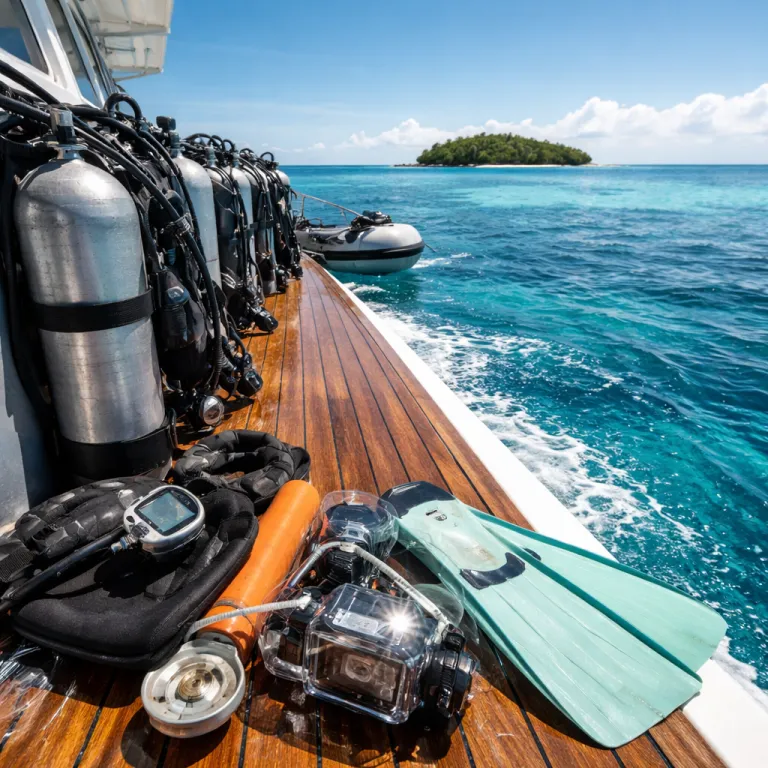
Luxury travelers who time their Caribbean diving summer season for May to September step into a quieter, warmer underwater world. During this off-peak period, sea temperatures typically hover around 28 to 30 °C (82 to 86 °F) according to NOAA regional climatology, giving divers long, unhurried dives without the chill that often shortens winter sessions. Many of the best diving destinations feel almost private, with fewer boats on the horizon and more attentive service from top tier Caribbean dive operators.
For a business leisure trip, this timing matters because your schedule is already tight and you want every dive to count. The warm water months align with key marine life cycles, when coral reefs are vibrant, reef fish are courting, and pelagic visitors cruise the deeper dive sites at dawn and dusk. While the official high season on land runs through the cooler months, underwater the real high season for serious scuba diving quietly shifts into summer, especially from late June through early September in many islands.
Concerns about weather are valid, yet manageable with planning and the right hotel base. Regional climate patterns mean that some islands, such as the ABC islands and parts of the Cayman Islands, sit outside the main hurricane belt and offer reliable conditions for dives even when other islands watch the forecasts. Historical summaries from agencies such as the National Hurricane Center indicate that many storm tracks curve north of these southern islands, which supports the safety guideline that puts it clearly, “Is it safe to dive in the Caribbean during summer? Yes, but monitor weather conditions closely and follow local operator advice.”
Island by island: where summer diving excels for luxury stays
Think of the Caribbean diving summer season as a tasting menu of islands, each with its own signature sites and style of stay. Bonaire remains the reference point for shore diving, where you can leave a land based luxury villa, drive five minutes, and step straight into some of the best sites for independent dives. The island’s protected marine park, calm water and predictable water temperatures make it ideal for divers who want to log several dives per day without long boat rides, especially if they book popular operators six to eight weeks in advance for peak summer weekends.
Farther north, the Cayman Islands deliver a different rhythm for your trip, with Grand Cayman offering polished resorts, concierge level scuba services and easy access to famous wall dive sites. Summer brings fewer cruise crowds, so divers can enjoy the best diving conditions on iconic walls like North Wall or the drop offs near Cayman Brac with more space and more attentive guides. Many luxury properties here coordinate private boats for afternoon and night dives, pairing them with chef led tasting menus back at the hotel and optional underwater photography coaching.
Grenada is having a moment, with its underwater sculpture park and wreck diving scene making waves among experienced divers who want art, history and marine life in a single dive. Pair a refined hillside retreat with curated excursions to the sculpture park in peak summer, when visibility often stretches close to 25 to 30 meters (around 80 to 100 feet) on clear days and the water feels like silk according to local operator reports. If your Caribbean diving summer season also includes surface time, consider adding a refined snorkeling extension in Barbados using a specialist operator focused on Barbados snorkeling experiences for luxury travelers, then hop a short flight to your chosen diving destinations.
From whale sharks to lionfish: marine life and meaningful adventure
Underwater, the Caribbean diving summer season is about more than warm water; it is about behavior. Many species use this season for breeding, cleaning and feeding, which means divers see busier coral reefs, more schooling fish and, in some destinations, passing whale sharks or even humpback whales on migration routes. While encounters with whale sharks or humpback whales are never guaranteed, late spring through early summer is often the best time to align your trip with their known patterns in select islands, based on long term sighting logs from regional dive operators.
Dominica stands apart for its deep water drop offs and the possibility of encounters with sperm whales, which has turned the island into a pilgrimage for advanced divers and marine life photographers. Saba, with its seamounts rising from deep water, offers dramatic dive sites where advanced divers can experience blue water drifts and some of the best scuba conditions in the region when the weather cooperates. These islands reward travelers who book longer stays, allowing flexible time windows to pick the best weather days for dives and to enjoy land based rainforest hikes between scuba days.
Across many islands, the lionfish story has become a signature conservation experience during the Caribbean diving summer season. Dive operators train certified divers to safely hunt this invasive species on selected dive sites, then local chefs transform the catch into refined ceviche or grilled fillets at upscale restaurants. It is one of the rare activities where your dives directly support reef health, turning a problem into a memorable, great dinner and a talking point long after your trip ends.
Liveaboards, land based luxury and how to book smart for summer
Choosing between a liveaboard such as a Cayman Aggressor IV vessel and a land based resort is the defining decision for many Caribbean diving summer season itineraries. Liveaboards like the Cayman Aggressor IV focus on maximizing dives at remote dive sites around Grand Cayman, Little Cayman and Cayman Brac, often offering up to five dives per day including night dives. For divers who want the best sites with minimal transit time, this format delivers year round consistency, though it suits those who prefer a fully immersive dive schedule and can commit to fixed departure dates.
Land based luxury hotels, by contrast, suit business travelers extending a work trip who need reliable Wi Fi, meeting spaces and spa level recovery between dives. Many five star properties now partner with Caribbean dive operators that use advanced dive computers, private boats and small group ratios to tailor scuba diving around your calendar. Because the off season brings lower occupancy, you can often book last minute changes, add extra dives or arrange private best scuba guiding without the rigid schedules of the winter high season, and in some cases secure shoulder season rates that are 10 to 20 percent below peak.
Weather management is the final piece of a smart Caribbean diving summer season strategy. Monitor forecasts, choose islands with historically stable weather, and favor flexible booking policies that allow you to shift dives between days if squalls pass through. For travelers who see the ocean as part of their wellness routine, pairing a dive focused stay with an ocean centric retreat such as the longevity programs highlighted in this Caribbean blue health and longevity village feature creates a holistic trip where underwater time, spa time and sleep all work together.
FAQ about the Caribbean diving summer season
Is the Caribbean diving summer season really better than winter for divers ?
For many divers, the Caribbean diving summer season is better because water temperatures reach around 28 to 30 °C and crowds thin out. This means longer, more comfortable dives and quieter dive sites, especially around the Cayman Islands, Bonaire and Grenada. Winter still offers excellent visibility and slightly cooler water, but summer often feels like a private high season underwater for those who value space and warmer conditions.
Is it safe to plan a dive trip during hurricane season in the Caribbean ?
It is generally safe to dive during the Caribbean diving summer season if you monitor forecasts and choose islands with lower storm risk. Safety guidance from regional operators is clear; “Is it safe to dive in the Caribbean during summer? Yes, but monitor weather conditions closely.” Combine flexible hotel bookings with dive insurance that covers weather disruptions, and allow extra time in your itinerary so you can move dives away from any approaching systems or short term port closures.
Where are the best diving destinations for luxury travelers in summer ?
For luxury focused divers, Grand Cayman and Cayman Brac offer polished resorts with easy access to some of the best diving walls and wrecks in the region. Bonaire excels for independent shore dives, while Grenada’s sculpture park and wrecks add cultural depth to a Caribbean diving summer season itinerary. Dominica and Saba appeal to advanced divers seeking dramatic topography and rich marine life, often with fewer boats than classic resort islands.
Can I learn diving on a short business leisure trip in summer ?
Yes, many Caribbean resorts structure learn diving programs around a long weekend or four night stay, ideal for executives extending a regional meeting. You can complete theory online before the trip, then finish confined water and open water dives in warm, clear conditions during the Caribbean diving summer season. Some properties even offer semi private instruction and concierge gear handling so your schedule remains flexible.
Should I choose a liveaboard or a land based resort for summer diving ?
Liveaboards such as the Cayman Aggressor IV suit divers who want maximum dives at remote dive sites with minimal transit, often including night dives and early morning walls. Land based luxury hotels work better if you balance meetings, spa time and a few carefully curated dives during the Caribbean diving summer season. Many travelers now combine both, starting with a short liveaboard segment, then unwinding at a high end resort for the rest of the trip.