Where luxury travel meets caribbean coral reef restoration diving
High end Caribbean hotels are quietly rewriting what a dive holiday means. Instead of only arranging a scenic dive on a pretty reef, concierges now pair guests with marine conservation teams restoring coral reefs fragment by fragment. The result is a new style of caribbean coral reef restoration diving that folds reef rescue directly into a luxury stay.
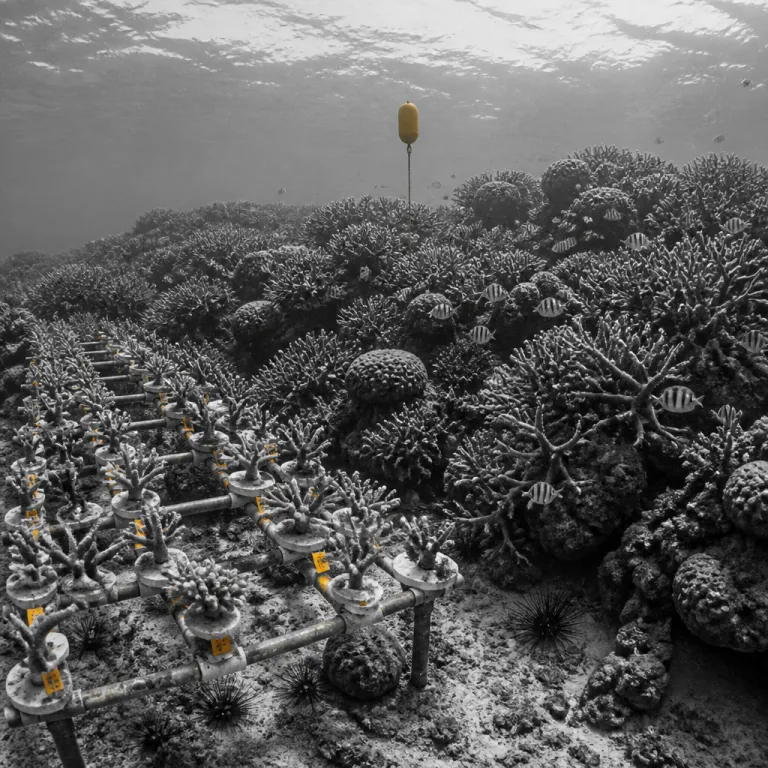
This shift is driven by the visible stress on every coral reef and by travellers who want their time in warm water to leave more than footprints in the sand. Across the reefs Caribbean wide, hotel partners support coral nurseries, sea urchin reintroduction and artificial structures that give young corals a foothold. Guests move from passive divers to active participants in coral restoration, guided by marine science professionals who translate complex ecosystems into clear, hands on tasks.
ISER Caribe, CLEAR Caribbean and CCMI anchor a growing rescue network that luxury properties now reference as confidently as they once name checked golf designers. Their hybrid reef restoration model blends land based coral nursery work with carefully monitored outplanting on damaged coral reefs. For travellers, that means a restoration dive can sit on the same itinerary as a tasting menu, with the same level of care, precision and long term thinking.
Reef Renewal Curaçao and Bonaire: conservation led diving itineraries
On Curaçao, Reef Renewal Curaçao has turned a classic Caribbean dive destination into a living classroom for reef restoration. Guests at upscale waterfront hotels arrange a restoration dive where they clean coral nurseries, trim coral fragments and help attach healthy corals to degraded reef structures. This is caribbean coral reef restoration diving at its most tangible, with divers seeing their work on coral restoration sites every time they return to the same coral reef.
Many properties now bundle PADI reef conservation courses with multi night stays, so a rescue diver certification sits alongside spa credits and late checkout. The mandatory orientation on neighbouring Bonaire, home to one of the oldest marine parks in the Caribbean, reinforces why these ecosystems still feel unusually intact. Before any diving, visitors learn how marine life depends on strict no touch rules, how marine conservation fees fund monitoring, and why shore entry keeps boat pressure off shallow reefs Caribbean wide.
For travellers timing a trip, late spring through early autumn often brings calmer water and fewer crowds, making eco conscious diving in the so called off season particularly rewarding. A detailed guide to summer diving in the Caribbean explains how visibility, currents and marine life behaviour shift across islands. Pair that seasonal insight with hotel dive packages that explicitly support reef restoration, and your caribbean coral reef restoration diving itinerary becomes both strategic and deeply responsible.
Tobago Cays, St. Vincent and the Grenadines: marine parks that actually work
Far south in the Grenadines, the Tobago Cays Marine Park shows what happens when enforcement is not just a policy but a daily practice. Access is limited, anchoring is controlled and the result is a reef system where a green turtle grazing on seagrass still feels like a normal part of life. Luxury yachts and premium resorts now coordinate with park rangers so that every dive or snorkel aligns with conservation rules rather than bending them.
CLEAR Caribbean supports reef restoration projects across St. Vincent and the Grenadines, and several high end hotels quietly fund coral nursery infrastructure behind the scenes. Guests may spend the morning on a guided dive over thriving coral reefs, then visit a coral nursery in the afternoon to see how coral fragments are grown before being transplanted. This blend of indulgent sailing, precise marine science and hands on coral restoration work has become a hallmark of thoughtful caribbean coral reef restoration diving in the Grenadines.
For travellers who prefer to stay closer to shore, curated experiences such as refined snorkeling escapes in Barbados offer a gentler entry point into marine conservation. While Barbados is not part of the Tobago Cays system, the same principles apply, from respecting turtle nesting beaches to supporting operators who log marine life data for long term monitoring. Whether you glide over shallow reefs or descend on a deeper dive, the goal is the same, to let reefs Caribbean wide breathe rather than bear more pressure.
St. Eustatius and Puerto Rico: eco resorts built around coral science
St. Eustatius, or Statia, is where the luxury eco resort model meets serious marine science. Golden Rock Resort sits above the sea yet orients its entire guest experience toward the volcanic Quill crater and the surrounding reef walls. Divers staying here can combine a classic caribbean coral reef restoration diving holiday with guided visits to coral nurseries and briefings on how local marine conservation rules keep fishing and anchoring compatible with reef health.
Across the region in Puerto Rico, ISER Caribe leads large scale coral restoration projects that many premium hotels now reference in their sustainability narratives. Guests may join supervised snorkel sessions near artificial reef structures, where coral fragments have been carefully attached to Reef Balls and other substrates. During these outings, marine life from small reef fish to the occasional turtle demonstrates how quickly ecosystems respond when restoration and protection work together.
Some wellness focused properties, such as those profiled in this analysis of Caribbean wellness first hospitality, show how spa programmes and reef friendly diving can share the same philosophy. The emphasis shifts from short term thrills to long term balance, whether that means reef renewal or personal reset. For solo travellers, this combination of quiet luxury, structured dive days and meaningful conservation engagement creates a rhythm that feels both restorative and purposeful.
How to choose a hotel and operator for meaningful reef rescue
Selecting the right hotel for caribbean coral reef restoration diving starts with asking precise questions. Does the property partner with recognised organisations such as ISER Caribe, CLEAR Caribbean, CCMI or the Perry Institute for Marine Science, and can they explain how guest fees support marine conservation. Are there clear pathways for guests to learn, from introductory talks on coral reefs to optional PADI reef conservation or rescue diver courses.
Next, look closely at the dive operator’s daily practices in the water, not just the sustainability language on a brochure. Genuine eco focused teams limit group sizes, brief divers on how to avoid damaging corals, and log marine life sightings for long term monitoring. Many now participate in a regional rescue network, where trained staff coordinate reef rescue responses after storms or bleaching events and invite qualified divers to help when conditions allow.
Finally, consider how your own habits align with reef restoration goals, from reef safe sunscreen to choosing fewer, longer dives instead of many short, high impact outings. Ask whether you can join a restoration dive to clean a coral nursery, assist with coral outplanting or help monitor water quality around sensitive reefs Caribbean wide. As one project summary puts it with useful clarity, “What is coral reef restoration? The process of rehabilitating degraded coral reef ecosystems.”
FAQ: caribbean coral reef restoration diving and luxury stays
What is coral reef restoration in the Caribbean
Coral reef restoration in the Caribbean is a coordinated effort to repair damaged coral reefs using methods such as coral fragment outplanting, coral nurseries and artificial reef structures. Projects led by organisations including ISER Caribe, CLEAR Caribbean and CCMI focus on improving marine life diversity and protecting coastal communities. Luxury hotels increasingly support these programmes financially and by offering guests curated access to restoration dive experiences.
Do I need a specific certification to join a restoration dive
Most restoration dive activities require at least an Open Water certification from an agency such as PADI, because safe buoyancy control is essential around fragile corals. More technical tasks, such as attaching coral fragments or assisting a rescue network after storms, may require Advanced or Rescue Diver level training. Snorkel based activities and guided coral nursery visits are usually available to non divers staying at participating hotels.
How can I be sure a hotel’s marine conservation claims are genuine
Ask the hotel to name its marine conservation partners and describe specific projects, such as funding a coral nursery or supporting a local marine park. Genuine programmes usually involve recognised organisations, transparent conservation fees and clear data on long term goals rather than vague promises. You can also look for mandatory briefings on reef friendly behaviour and for dive operators who log reef health data with regional research institutes.
Can beginners take part in caribbean coral reef restoration diving
Beginners can absolutely engage with caribbean coral reef restoration diving, though activities will be tailored to their skill level. Many luxury resorts offer entry level PADI courses combined with educational sessions on coral reefs, followed by gentle dives near coral nurseries under close supervision. Non divers can still contribute by joining guided snorkels, supporting conservation fees and choosing operators committed to low impact practices.
Why are sea urchins and other species used in reef restoration
Sea urchins, certain crabs and herbivorous fish help control algae that would otherwise smother young corals on a recovering reef. By reintroducing these species alongside coral planting, restoration teams create more balanced ecosystems that support a wider range of marine life. This integrated approach makes each restoration dive more effective, because the corals are returning to a functioning community rather than an empty underwater landscape.