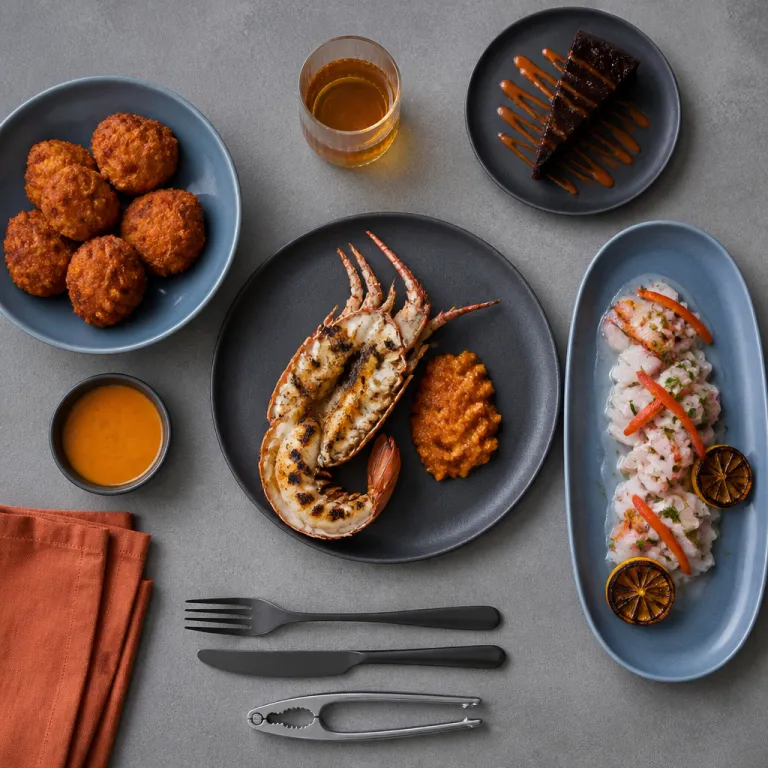
From boardrooms to beach tables: why Cayman Islands food restaurants matter now
Step off the plane in Grand Cayman and the first impression is finance, not flavour. Yet the Cayman Islands food restaurants now rival the most ambitious dining rooms in the Caribbean, and they do it with a quiet confidence that suits the island’s discreet clientele. For the business traveler extending a stay, this means your next power lunch can unfold with toes almost in the sand, and your late night table can pair serious wine with the sound of waves rather than traffic.
The transformation began along Seven Mile Beach, where resort buffets once dominated every restaurant line up. As luxury brands such as the Ritz Carlton refined their culinary programs and invited each visiting chef to work closely with local fishermen, the narrative shifted from volume to precision, and from imported produce to local ingredients pulled from Cayman waters at dawn. Today, you can find Cayman Islands food restaurants that treat lionfish, conch and Caribbean lobster with the same respect a Parisian kitchen reserves for turbot, and the result is a dining scene that feels both grand and grounded.
For travelers booking premium rooms, the question is no longer whether you will eat well in the islands, but how to curate the Cayman best experiences in a short stay. High level executives now plan meetings around Cayman Cookout dates, using the festival as a backdrop for client entertaining and team retreats. When you choose a property on or near Seven Mile Beach, you are effectively buying into a culinary neighborhood where beach bar snacks, award winning tasting menus and relaxed lunch dinner spots all sit within a few hundred metres of each other.
Seven Mile Beach and beyond: how Grand Cayman built a serious culinary scene
Seven Mile Beach is where the Cayman Islands food restaurants story becomes tangible for the first time visitor. Walk the curve of sand at dusk and you move from a barefoot beach bar grilling jerk chicken to a polished dining room plating intricate Caribbean curry bowls, then on to a terrace where the sommelier pours rare wine beside the pool. This density of options means you can schedule a quick business lunch one day, then host a long, strategic dinner the next, without ever leaving the mile long arc of Grand Cayman’s most famous shoreline.
The Ritz Carlton, Grand Cayman, remains the anchor for many gastronomic itineraries, not least because chef Eric Ripert has used the property as a stage for the annual Cayman Cookout. During the festival, visiting chefs and local teams turn the resort into a living laboratory for Caribbean ingredients, and the quote “What is the Cayman Cookout? An annual culinary festival hosted by Chef Eric Ripert.” captures only a fraction of its influence on the islands. Around it, independent restaurants in George Town and Camana Bay have raised their game, creating a virtuous circle where hotel guests expect the best and every restaurant competes to meet that standard.
For those willing to drive beyond Seven Mile Beach, the rewards multiply quickly as you explore the wider Cayman Islands. On the quieter north side of Grand Cayman, you will find smaller restaurants where a single chef might handle both the grill and the wine list, serving fresh snapper with a side of breadfruit fries at a simple table overlooking the reef. Use a trusted guide such as the island by island dining overview on where you eat best in the Caribbean to benchmark Cayman against neighboring islands, then let the local concierge fine tune reservations to match your schedule.
Inside the hotel kitchens: from Cayman Cookout to five concept dining at One GT
Luxury hotels in Grand Cayman now operate more like urban culinary campuses than simple resorts, which is excellent news if you are squeezing a lot of meals into a three night stay. At the Ritz Carlton, Grand Cayman, the legacy of Cayman Cookout has shaped how every restaurant on property thinks about local ingredients, from lionfish ceviche at the poolside beach bar to refined tasting menus that pair Caribbean lobster with European sauces. The presence of chefs such as Eric Ripert, José Andrés and the late Anthony Bourdain has given the islands a culinary gravitas that extends far beyond festival weekends.
The next chapter arrives with One GT Grand Cayman in George Town, which is set to open with five distinct dining concepts under one roof. For the time pressed executive, this means you can move from a casual lunch dinner meeting in a brasserie style restaurant to a more formal, award winning dining room for a closing celebration, all without leaving the building. The model signals how seriously the Cayman Islands food restaurants now take their role in the Caribbean, positioning George Town not just as a finance hub but as a place where a chef can build a career and a sommelier can curate a cellar that rivals major cities.
Other properties are following suit, from the Carlton Grand style developments that emphasize integrated culinary programming to smaller luxury hotels partnering with independent restaurants in Camana Bay and along Seven Mile Beach. Names such as Saint June on the sand have become shorthand for a certain kind of relaxed, high quality beach experience, where fresh grilled fish, a glass of chilled wine and a jar of local pepper jelly feel as considered as any boardroom agenda. If you want to understand how to leverage these options across the region, the broader guide to cultural immersion through luxury hotel booking on elevating your Caribbean journey offers useful context for planning.
Flavours that define the islands: what to order, where to find it
Understanding the Cayman Islands food restaurants means understanding the pantry that drives them. Local ingredients such as lionfish, conch, Caribbean lobster and breadfruit are not marketing slogans but daily realities for the chefs who work closely with fishermen and farmers across the islands. When you sit down at a restaurant table in Grand Cayman, ask how the kitchen is using these ingredients that day, and you will often unlock off menu dishes that show the Cayman best side of the menu.
Start with Cayman style mahi mahi or conch stew in a casual restaurant in George Town, where the cookout culture still shapes how families eat on weekends. Many beach bar menus now feature jerk chicken alongside grilled fish, pairing both with house made pepper jelly that brings a sharp, sweet heat to the plate. At more polished restaurants in Camana Bay or along Seven Mile Beach, you might find the same flavours reinterpreted as delicate canapés, served with carefully chosen wine that highlights the spice rather than fighting it.
For those who like structure, festivals Cayman such as Taste of Cayman and Restaurant and Cocktail Week provide a curated way to sample multiple Cayman Islands food restaurants in a short window. These events showcase how chefs across the islands approach the same ingredients differently, from a Florida Grand inspired citrus marinade on tuna to a Cayman cookout Cayman style grill where breadfruit is charred over local wood. Whether you are dining at an award winning room in a major hotel or at a family run spot on the quieter side of Grand Cayman, the through line is always the same : fresh product, confident seasoning and a sense that the Caribbean is cooking for itself first, and for visitors second.
Three day Cayman Islands dining itinerary for the business leisure traveler
Day one is about orienting yourself along Seven Mile Beach and understanding how close the key Cayman Islands food restaurants sit to your hotel. Check in, change quickly, then walk to a nearby beach bar for a late lunch dinner of grilled fish tacos, jerk chicken and a cold glass of wine while you reset from meetings. In the evening, book a table at an award winning restaurant either within your hotel or at a neighboring property such as the Ritz Carlton, Grand Cayman, where you can sample a tasting menu that reflects the Cayman cookout ethos in a more formal setting.
On day two, shift focus to George Town and Camana Bay, where the urban side of the Cayman culinary story plays out. Schedule a working lunch at a waterfront restaurant in Camana Bay, choosing a place that emphasizes fresh local ingredients and offers quiet corners for confidential conversations. After a late afternoon swim back on Seven Mile Beach, head into town again for dinner at a restaurant known for its Cayman style food, perhaps one that highlights pepper jelly, breadfruit and Caribbean lobster in creative ways that still feel rooted in the islands.
Day three is your chance to explore beyond the main strip, either with a drive to the north side of Grand Cayman or, if time allows, a quick hop to Cayman Brac or Little Cayman for a more low key meal. Here, the Cayman Islands food restaurants are fewer but often more personal, with the chef stepping out from the kitchen to explain the catch of the day and how the cookout traditions shape the menu. Wrap the trip with a final lunch dinner back near your hotel, ideally at a spot on Seven Mile Beach where the table sits almost in the sand, so your last memory of the islands is the taste of fresh fish, the sound of waves and the sense that Cayman has earned its place at the Caribbean culinary table.
FAQ
Why are the Cayman Islands considered the Caribbean’s culinary capital ?
The Cayman Islands combine more than two hundred restaurants with a strong focus on local ingredients and international technique, which creates unusual depth for such a small destination. High profile events such as Cayman Cookout, hosted by chef Eric Ripert at the Ritz Carlton, Grand Cayman, have attracted global talent and media attention. At the same time, everyday restaurants across Grand Cayman, Cayman Brac and Little Cayman have raised standards, so you can eat very well at every price point.
What is the Cayman Cookout and should I plan my trip around it ?
Cayman Cookout is an annual festival where international chefs, sommeliers and mixologists join local teams for several days of tastings, beach cookouts and collaborative dinners. The event is hosted at the Ritz Carlton, Grand Cayman, and many visiting chefs also appear at other Cayman Islands food restaurants during the same period. If you enjoy culinary festivals and do not mind busier hotels, planning a trip around Cayman Cookout can be an excellent way to sample a wide range of food and wine experiences in a short time.
How far in advance should I book Cayman Islands restaurants for a business trip ?
For peak travel periods and major events such as Cayman Cookout or Taste of Cayman, it is wise to reserve key restaurants several weeks ahead, especially for larger groups or prime time dinner slots. Even outside those windows, popular places along Seven Mile Beach and in Camana Bay can fill quickly, so ask your hotel concierge to secure tables as soon as your flight is confirmed. For casual beach bars and smaller spots in George Town or on the north side, same day bookings or walk ins are usually possible, particularly at lunch.
Are there good options for local Caymanian food near luxury hotels ?
Yes, many luxury properties now integrate local Caymanian dishes into their own restaurant menus, often using fish from nearby waters and produce from island farms. Within a short drive or taxi ride of most high end hotels on Grand Cayman, you will also find independent restaurants and beach bars serving conch stew, Cayman style mahi mahi, jerk chicken and other traditional plates. Ask your concierge for places where chefs work directly with local fishermen, as these venues tend to offer the freshest and most authentic versions of classic dishes.
Is it worth visiting Cayman Brac or Little Cayman just for the food ?
Cayman Brac and Little Cayman do not have the sheer number of restaurants found on Grand Cayman, but they offer a quieter, more intimate food experience that some travelers value highly. You will find small, often family run restaurants where the chef might also be the person who caught the fish that morning, and where menus change according to what the sea and farms provide. If your schedule allows an extra night or two, combining meetings in Grand Cayman with a short escape to one of the smaller islands can give you a fuller picture of Cayman’s culinary identity.