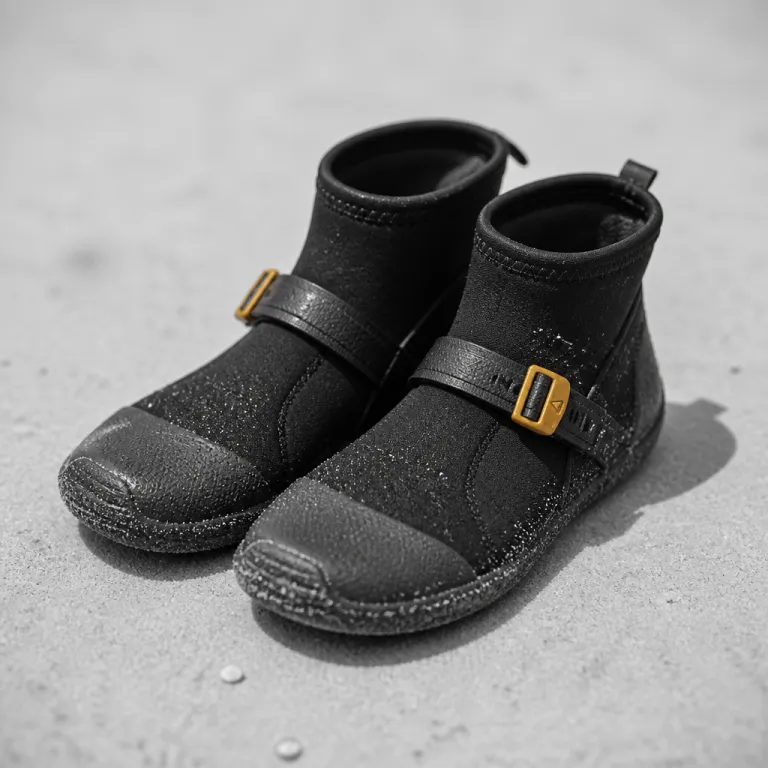
How Bonaire turned shore diving into a Caribbean luxury essential
Bonaire did not stumble into shore diving excellence by accident. The island built a deliberate strategy where every dive, from casual shore entries to technical profiles, starts with easy access and serious conservation. On an upscale trip here, you feel that balance the moment you leave Kralendijk and see the yellow stones marking each official shore dive site along the coastal road, a visual cue that you are driving through one of the Caribbean’s most organized shore diving destinations.
The transformation accelerated in the 1960s and 1970s when dive pioneer Captain Don Stewart advocated for permanent moorings, no-anchor policies and a culture where divers protect what they come to see. That ethos contributed to the creation of the Bonaire National Marine Park in 1979, now managed by STINAPA Bonaire, which oversees nearly one hundred named dive sites and dozens of shore-accessible locations around the island. For travelers booking premium hotels, this means you can step from an oceanfront suite into some of the region’s most intact fringing reef systems without relying entirely on a boat dive schedule, a level of convenience that has turned Bonaire shore diving into a benchmark for Caribbean luxury dive travel.
The marine park requires every visitor who plans to dive Bonaire to purchase a nature fee tag and complete a short orientation, which higher-end properties now integrate seamlessly into arrival routines. Official guidance is clear and practical: obtain a Marine Park tag before diving, use marked entry points for shore dives, and respect local marine life and regulations. Tags can be purchased online in advance or on island through participating dive shops and STINAPA partners, and many front desks will help you register and show proof of payment before your first immersion. A typical arrival at a luxury dive resort might include a welcome drink, a quick check of your certification card, confirmation of your marine tag and a concise briefing on mooring rules and reef etiquette before you even unpack.
Designing a luxury stay around Bonaire’s shore dive sites
On Bonaire, the smartest high-end stays are built around the shoreline, not just the lobby. You choose an island hotel not only for its pool and wine list, but for how quickly you can walk from your room to a marked shore entry and start scuba diving in clear water. For independent explorers, this creates a rare freedom: you can plan your dives around light, mood and marine life rather than around a crowded boat timetable, turning each day into a personalized Bonaire shore diving itinerary.
Many premium properties now offer on-site tanks, rinse areas and partnerships with established dive operators, so your daily routine becomes almost effortless. Wake early, check the wind on the east coast, then let a concierge arrange a private dive guide for a more advanced site while you enjoy breakfast. Curated booking platforms for refined Caribbean luxury stays and adventure tours help you filter hotels by in-house scuba facilities, proximity to iconic dive sites such as Salt Pier or Oil Slick Leap, and access to tailored marine life experiences. One boutique hotel manager summed it up simply: “Our guests want to finish their espresso and be in the water at the house reef within fifteen minutes.”
For guests who prefer curated structure, several high-end resorts coordinate “drive and dive” itineraries that pair a rental truck with a sequence of shore diving locations. One day might focus on the gentle slopes of the Bonaire shoreline near Kralendijk, ideal for learning new skills or relaxed dives with a camera. Another might send you south toward Red Slave and White Hole, where the reef feels wilder, the current stronger and the sense of adventure closer to an expedition than a casual dip, especially when combined with a post-dive return to a quiet pool deck or private terrace.
The reef you walk into: signature shore diving routes for discerning divers
What sets Bonaire apart from many other Caribbean islands is how many of its best sites begin at the waterline. You park beside a yellow stone, gear up, take a measured stride from the shore and within a few fin kicks the reef wall drops away beneath you. For travelers used to private skiffs and long boat rides, this immediacy changes the rhythm of a diving trip completely and makes the island’s shore dive sites feel like an extension of your hotel grounds.
Classic routes such as the Salt Pier shore diving circuit combine industrial architecture with dense coral growth and schooling marine life, making them favorites for underwater photography. North of town, Oil Slick Leap offers a playful entry where confident divers step from a low cliff into deep blue water, while nearby sites often called Slick Leap by locals deliver similar drama with slightly different reef profiles. On calmer days, experienced divers may add a guided east coast diving session or a carefully timed visit to White Hole, where swirling fish and shifting light create a cinematic scene worthy of any high-end dive video reel, especially when captured at dawn or late afternoon.
Night dives are where diving Bonaire from shore becomes almost addictive, especially for travelers staying at waterfront hotels. You can finish dinner, check the conditions, then walk to a house reef with your buddy and watch the coral open, the reef octopus hunt and bioluminescence flicker in the dark water. For seasonal planning, resources that focus on summer diving in the Caribbean explain why off-peak months often bring calmer seas, warm water around 26 °C and fewer divers on your chosen site. 
From marine park rules to five star service: how luxury and conservation align
Bonaire National Marine Park is not a backdrop; it is the framework that shapes every dive and every serious hotel program on the island. The park’s regulations prohibit anchoring on the reef, coral touching and the collection of marine life, and they require mooring pins at each official dive site to protect the reef from chains. In addition, gloves are generally discouraged because they can encourage unnecessary contact with coral. High-end properties now weave these rules into their guest journey, turning conservation into part of the luxury narrative rather than a limitation, and reinforcing the idea that premium Caribbean diving experiences depend on strict protection.
Many resorts host on-site briefings where marine biologists or senior dive guides explain how the reef functions and why certain areas of the Bonaire shore remain off limits. These sessions help divers learn to read current lines, choose appropriate dive sites for their skill level and understand why some east coast locations demand a professional dive guide and sometimes a boat dive rather than casual coast diving. For guests who value privacy, one-to-one orientations can be arranged in-suite, followed by a gentle check dive on the house reef to fine-tune weighting and buoyancy before more ambitious dives, often including a review of mooring policy, entry techniques and local marine life behavior.
Behind the scenes, partnerships between STINAPA, local dive operators and the island’s tourism organizations keep standards high. Hotels that cater to serious scuba guests often support reef monitoring programs, sponsor mooring maintenance or provide staff time for educational projects in local schools. When you book through a specialist concierge focused on Caribbean services for luxury hotel stays, you can request properties that actively contribute to marine life protection, ensuring your trip supports the same reef you came to enjoy. 
Planning your Bonaire shore diving itinerary from a luxury base
Crafting a Bonaire shore diving guide Caribbean style means thinking like both a diver and a hotel connoisseur. Start by choosing an island property that sits within a short drive of multiple dive sites, offers on-site tanks and partners with reputable dive operators for both shore and boat options. From there, you can build a flexible schedule that balances early morning reef dives, long surface intervals by the pool and occasional adventure days on the wilder east coast, always leaving room for a spontaneous sunset or night shore dive on the house reef.
Many experienced divers structure their first full day around easy-access sites close to Kralendijk to fine-tune gear and weighting. Once comfortable, they expand outward to signature locations such as Salt Pier, Oil Slick Leap, Red Slave and White Hole, alternating between shallow reef slopes and steeper drop-offs to keep the trip varied. Throughout the week, a mix of self-guided dives and sessions with a private dive guide allows you to learn new navigation skills, refine buoyancy over delicate coral and capture better underwater video without sacrificing safety, while your hotel team coordinates tanks, truck logistics and post-dive comforts.
For solo explorers, the island’s “drive and dive” culture is particularly liberating, yet it still rewards thoughtful planning. Book a hotel that understands divers’ needs, from early breakfast to secure gear storage, and confirm that your chosen dive operators can provide both shore diving support and occasional boat excursions when conditions demand. Pay attention to local briefings about surge and current at exposed southern sites such as Red Slave, where entries can be challenging in strong wind, and always adjust your plan to match the latest advice. With that foundation, every day on Bonaire becomes a choose-your-own-adventure between the comfort of a premium suite and the immediacy of walking straight into one of the Caribbean’s most intact reef systems.
FAQ
Why is Bonaire known for shore diving compared with other Caribbean islands?
Bonaire is known for shore diving because the reef runs close to the coast, with more than eighty marked dive sites accessible directly from the road. Yellow stones indicate each official dive site, and most entries involve a simple walk over rock or sand before descending onto the reef. This layout allows divers to plan flexible dives without relying on boats, which is rare at this scale in the Caribbean and has helped establish Bonaire as a flagship destination for independent shore diving holidays.
Do I need a guide for shore diving in Bonaire if I am experienced?
Guides are optional for many of Bonaire’s calmer west coast sites, where navigation is straightforward and conditions are usually gentle. However, a professional dive guide is strongly recommended for more advanced locations such as certain east coast diving areas, White Hole or complex drift dives. Even experienced divers often book at least one guided orientation dive to learn local entry techniques, currents and marine park protocols, especially when planning a week of mixed shore and boat diving.
What is the best time of year to plan a Bonaire diving trip?
The island offers year-round scuba diving, with water temperatures typically around 26 °C and visibility often exceeding 20 m. Many divers prefer the period from late spring to late autumn for calmer seas and fewer crowds, which suits flexible shore diving schedules. Because conditions can vary by site and wind direction, it is wise to consult local dive operators and hotel concierges when planning specific days, particularly if you hope to include east coast dives or multiple night shore dives.
Can I combine luxury accommodation with serious diving on Bonaire?
Yes, Bonaire has a growing portfolio of luxury and premium hotels that cater specifically to divers. These properties often feature on-site dive centers, tank stations, secure gear storage and easy access to house reefs or nearby shore entries. When booking, look for hotels that partner with established dive operators and that integrate marine park requirements into their guest services, so your Bonaire shore diving vacation feels both indulgent and well organized.
Is Bonaire suitable for a first scuba diving certification or mainly for experts?
Bonaire works well for both new and advanced divers because many west coast sites offer gentle slopes, minimal current and clear navigation along the reef. Several high-quality dive operators and resorts run certification courses that start on shallow house reefs before progressing to deeper dive sites. At the same time, more challenging locations such as Red Slave or certain east coast dives provide enough complexity to keep experienced divers engaged, especially those seeking a mix of relaxed shore dives and more demanding Caribbean reef adventures.