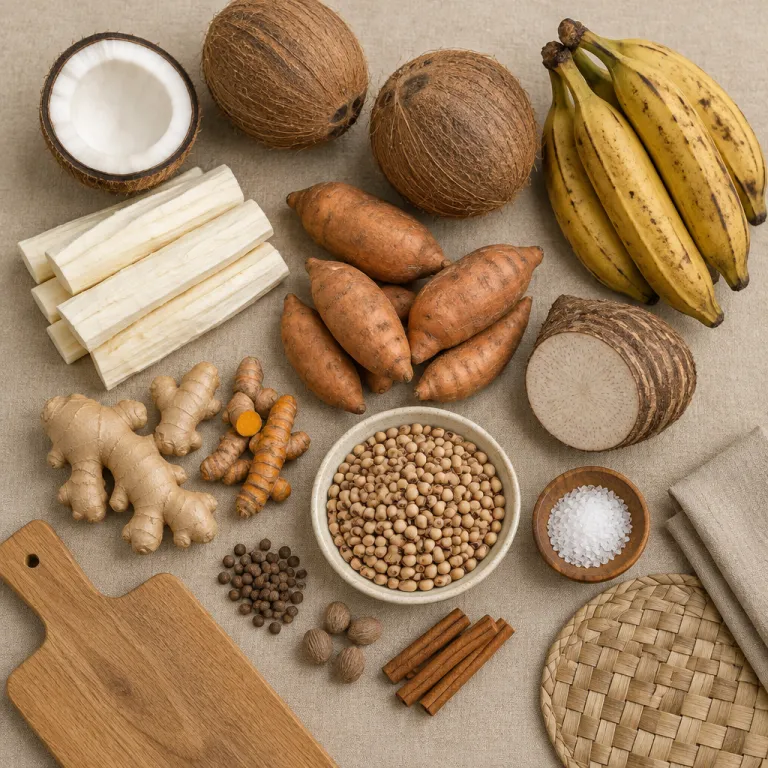
Late summer on the islands: what the markets are really serving
Late summer is when a serious Caribbean seasonal food summer guide stops being theory and becomes what is actually piled high on island markets. From Saint Lucia to Saint Kitts, you will see crates of green and gold fruits mango alongside knobbly breadfruit, glossy bell peppers and armfuls of callaloo leaves. If you care about caribbean cuisine as much as you care about thread count, this is the moment to plan your stay around what the land is giving rather than what the freezer is hiding.
Across the region, chefs talk about this period as the sweet spot for fruits and vegetables, when mangoes Caribbean wide are still lush but starting to concentrate their flavor and when passion fruit turns from sharp to perfumed. Expect hotel menus to lean into caribbean cooking that respects this rhythm, with roasted breadfruit, grilled green bananas and sweet potatoes replacing imported starches. A thoughtful caribbean seasonal food summer guide will also point you toward properties where the sommelier can share which drinks desserts pair best with these ingredients, from aged rum to chilled coconut water served straight from the nut.
For couples booking a romantic escape, this is the time to ask your concierge which local markets the chef actually buys from and whether you can join the morning run. In Port of Spain, for example, luxury hotels often time breakfast menus to what arrives from the island markets around the Queen’s Park Savannah, while in smaller islands the chef may simply walk down to a village market and find whatever fruit and vegetables look best that day. When you book, do not just ask about the room category ; ask how the kitchen works with local producers and how often the menu changes to reflect late summer food.
From market to plate: how luxury hotels cook the late-summer harvest
On the best properties, caribbean seasonal food summer guide principles are not a marketing line but a cooking philosophy that starts at dawn in the market. Executive chefs or their lieutenants move through local markets with a clear plan, choosing crates of fruits mango, passion fruit, sugar apple and piles of bell peppers that will shape the day’s caribbean recipes. They avoid plastic bags where possible, preferring reusable crates, and they check that eggs in plastic trays have come from nearby farms rather than distant imports.
Back at the resort, those ingredients become the backbone of caribbean cuisine that feels both refined and rooted in island life. You might start with a chilled soup of roasted bell peppers and green mango, move to grilled lobster with a side of charred green bananas and sweet potatoes, then finish with drinks and desserts built around sugar apple or mangoes Caribbean style. When a property takes caribbean cooking seriously, the chef will happily share how the menu shifts between early and late summer and which fruits and vegetables are at their peak during your stay.
Ocean cruising couples often ask whether ship dining can compete with shore based restaurants during this season, and the honest answer is that it depends on how much time you spend off the vessel. A smart caribbean seasonal food summer guide for cruising guests will suggest booking at least one dinner at a hotel known for its farm to table approach in each port, especially in culinary hubs like the Cayman Islands where you can explore its reputation as the Caribbean’s culinary capital through this detailed Cayman Islands dining guide. Whether you are staying on land or ocean cruising between islands, prioritise properties and restaurants that can tell you exactly which farm grew your fruit and which fisherman landed your catch that morning.
Lobster, fish runs and the late-summer ocean calendar
Seafood is where a caribbean seasonal food summer guide becomes genuinely strategic, because lobster and fish seasons vary between islands and even between neighbouring bays. Many islands open their lobster season in late summer or early autumn, and luxury hotels that respect the rules will only serve spiny lobster when it is legal and abundant. When you book, ask whether the property works with west Indian fishing families directly and whether they adjust menus to match the local fish calendar rather than flying in generic fillets.
On islands like Antigua and Barbados, late summer often brings excellent runs of mahi mahi and tuna, which appear on tasting menus as lightly charred fillets with green papaya slaw or as part of refined caribbean recipes that balance spice and acidity. In Grenada and Saint Vincent, you may find more reef fish, served whole and grilled over charcoal, with sides of roasted sweet potatoes and green bananas that echo traditional west Indian plates. If you are serious about caribbean cuisine, consider timing your stay around local food festivals and culinary awards, using resources such as this in depth feature on how Antigua is staking its claim as a food capital to understand where chefs are pushing seasonal cooking hardest.
Couples who split their time between beach relaxation and gentle cruising can also work with concierges to arrange private boat trips that double as seafood sourcing excursions. Some high end resorts partner with skippers who take guests out at first light, then hand the catch directly to the hotel kitchen for lunch, a very literal expression of island life on the plate. When you see grilled lobster on a menu in late summer, do not hesitate to ask where it was caught, how recently it left the water and whether the hotel can share the name of the boat that brought it in.
Farm to table resorts, island markets and how to eat responsibly
The most forward thinking luxury resorts now treat a caribbean seasonal food summer guide as part of their sustainability strategy, not just a culinary flourish. They grow herbs, fruits and vegetables on site, compost kitchen waste and reduce reliance on imports, which lowers emissions and keeps money circulating in local communities. When you are choosing where to stay, look for properties that can show you their gardens, explain how they limit plastic bags in supply chains and outline how they support nearby farmers and island markets.
In places like Port of Spain and wider Trinidad, you will see how urban hotels weave local markets into their daily rhythm, sending staff to buy fruits mango, passion fruit, bananas and sugar apple before breakfast service. Some concierges even arrange guided tours of the main market in Port of Spain Trinidad, where you can walk past stalls piled with fruits and vegetables, taste coconut water straight from the shell and learn how west Indian families use every part of the plant in home cooking. For couples who care about design as much as dinner, it is worth reading this feature on unique Caribbean hotel architecture, then pairing your aesthetic preferences with properties that also take food provenance seriously.
Responsible late summer eating also means paying attention to small details, from how your eggs in plastic cartons are sourced to whether the bar offers drinks and desserts built around seasonal fruit rather than imported syrups. A refined caribbean seasonal food summer guide will encourage you to share your expectations with the hotel before arrival, asking for caribbean recipes that highlight local fruit, sweet potatoes and green vegetables instead of generic buffets. When you find a property that aligns its menus with island life, from beach bar snacks to fine dining, you will taste the difference in every sweet, saline, sunlit flavor on your plate.
FAQ
Which Caribbean fruits are at their best in late summer ?
Late summer is prime time for many Caribbean fruits, especially mangoes Caribbean wide, passion fruit, sugar apple and bananas. You will also find excellent fruits and vegetables such as breadfruit, green papaya and callaloo leaves in most island markets. Ask your hotel which local markets they buy from so you can taste these ingredients at their freshest.
How can I make sure my hotel focuses on seasonal Caribbean cuisine ?
Before you book, email the property and ask how often menus change and whether they follow a caribbean seasonal food summer guide or similar framework. A serious kitchen will explain which fruits, vegetables and fish are in season and how they adapt caribbean cooking to match that calendar. You can also request a market visit or a chef’s table experience that highlights local food.
Is it better to eat on board or on shore during an ocean cruise ?
For ocean cruising guests, the most seasonal meals usually happen on shore at hotels and restaurants that buy directly from local markets. Ships can offer good caribbean recipes, but they rarely match the immediacy of a resort that grills fish caught that morning or serves fruit picked at dawn. Plan to dine ashore in key ports known for strong caribbean cuisine, such as the Cayman Islands or Trinidad.
What should I look for at a Caribbean market in late summer ?
In late summer, focus on stalls with vibrant green and orange bell peppers, ripe fruits mango, passion fruit, bananas and piles of sweet potatoes and breadfruit. Notice whether vendors minimise plastic bags and whether eggs in plastic trays are clearly labelled from local farms. If you are unsure how to use an unfamiliar fruit, ask the seller to share simple caribbean recipes or cooking tips.
How does seasonal eating support sustainable tourism in the Caribbean ?
Choosing seasonal caribbean cuisine reduces the need for imported food, which cuts transport emissions and keeps more revenue with local farmers and fishers. Hotels that follow a caribbean seasonal food summer guide often invest in gardens, composting and long term relationships with producers, strengthening island life beyond the beach. As a guest, you support this system every time you order a dish built around local fruits, vegetables and fish rather than out of season imports.