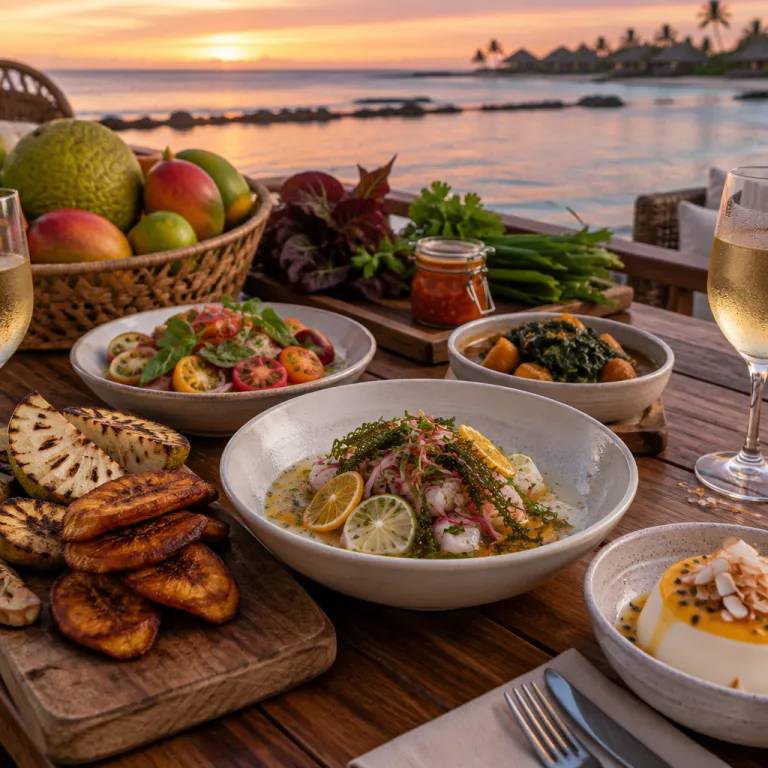
From white tablecloths to the island’s own farm table
Luxury Caribbean resorts once chased imported fine dining templates with little hesitation. Today the most compelling caribbean farm to table restaurants are rewriting that script, building every table experience around what the island’s own farm and reef can realistically provide. You feel the shift the moment a server explains that tonight’s food was picked at sunrise and landed from a day boat just after lunch.
This new generation of restaurant teams treats fresh sourcing as the starting point, not a garnish. Menus are shorter, but the dining narrative is deeper, with ingredients named by cove, valley or specific farms rather than by vague “market” labels. Couples used to a polished modern American steakhouse will instead find grilled reef fish, heritage root vegetables and rum sauces that taste of place rather than of a distant state or city.
For travelers choosing a premium hotel, this matters more than any lobby statement piece. A property that invests in its own kitchen garden or partner farm is usually serious about both flavor and sustainability, not just about a pretty plate of red tuna. When you check sample menus before booking, look for clear mentions of locally grown ingredients, seasonal dishes and a visible commitment to a genuine farm table philosophy.
Why geography makes true farm to table harder here
The romance of caribbean farm to table restaurants can hide a hard truth about island geography. Many islands have limited arable land, meaning every farm must work around steep hillsides, thin soils and competition from real estate that could become a luxury house or villa. Even the most ambitious restaurant teams still rely on some imported food, especially grains, dairy and certain modern American pantry staples.
Climate adds another layer of complexity for chefs who want consistently fresh produce. Storm seasons can wipe out farms overnight, and salt laden winds make delicate ingredients harder to grow than in a temperate state on the mainland. The caribbean farm to table restaurants that succeed tend to diversify their supply, pairing hillside farms with hydroponic projects and backyard growers who can pivot quickly when weather shifts.
Seafood is both the region’s strength and its ethical test. Reef to table dining only works when hotels support fishers who respect local regulations and avoid overfished species with vulnerable red list status. If you want to understand how seriously an island takes its culinary future, read how it talks about sustainability in its tourism campaigns and explore how it positions itself as a culinary capital at the regional level, as seen in destinations highlighted in this guide to Caribbean culinary leadership.
Chef’s gardens, reef programs and hotels that mean it
On the most forward thinking properties, the phrase caribbean farm to table restaurants is backed by soil under the chef’s fingernails. You will often find compact but intensely productive kitchen gardens tucked behind the main restaurant, where cooks step out between services to cut herbs, harvest salad leaves and check which fruit is finally ripe. These gardens rarely supply every ingredient, yet they anchor the menu in something tangible and locally grown.
Reef to table programs work in a similar way, turning the surrounding sea into a living pantry that must be respected. Some luxury hotels now partner with marine biologists to state clear catch limits, support coral restoration and train fishers in more selective methods that protect juvenile fish. When a menu lists the boat, the cove and even the time of landing, you are not just reading poetry ; you are reading a supply chain.
For couples planning a stay through a curated platform like stay-in-caribbean.com, these details are a powerful filter. Properties that highlight chef led farm visits, family style garden lunches and classes on traditional dishes usually treat food as a core experience, not a side show. Islands competing for recognition as serious food destinations, such as those profiled in this feature on Caribbean food capitals, increasingly use these programs to stand apart from resorts that still rely on anonymous buffets.
Reading the menu: how to eat like an island insider
Once you are seated, the menu becomes your best guide to whether a place truly belongs among caribbean farm to table restaurants. Start with the small print and ask where the farm supplying the vegetables is located, which bay the fish came from and whether the house hot sauce is made from locally grown peppers. A serious restaurant will answer with ease and probably with pride, because these details shape the flavors on your plate.
Look for dishes that weave in Creole, Garifuna and Indo Caribbean traditions rather than copying a generic modern American bistro. A curry built on local root vegetables, a stew thickened with breadfruit or a grilled catch served with callaloo tells you that the chef respects the island’s food memory. When a menu lists a simple red snapper with lime, herbs and a side of rice and peas, it often delivers more honest pleasure than an imported steak with truffle oil.
Do not be afraid to step beyond the resort gates for at least one meal. Ask staff for a family owned spot where the dining room feels relaxed, the welcome is friendly and the ingredients are clearly sourced from nearby farms and boats. If you are planning a romantic itinerary that mixes serious food with beach time, pair your stay with a single island focus rather than constant hopping, much like you would for a dedicated romance led coastal escape.
Planning your stay around flavor, people and place
Choosing a hotel through a luxury focused platform is no longer just about the pool and the view. For many couples, the presence of genuine caribbean farm to table restaurants on site is now as decisive as the size of the suite or the state of the spa. When you check property profiles, pay close attention to how they talk about food, not only how they photograph it.
Seek out hotels that name their partner farms, highlight locally driven dishes and frame dining as a cultural experience rather than a generic amenity. Words like “garden to table”, “reef to table” and “house made” should be backed by specifics about ingredients, producers and seasonal menus. If a property mentions a modern American grill but never references local flavors, ask how often the kitchen works with island farmers and fishers before you commit.
Finally, remember that the most memorable meals often come from relationships, not from price tags. Talk to staff about their favorite food stalls, ask which family still makes the best hot sauce and be open to tasting something you cannot easily find at home. When you let the island’s farms, reefs and cooks guide your choices, you move beyond simple dining and into a richer experience of place, where every table tells a story written just offshore and a few kilometres inland.
FAQ
How can I tell if a Caribbean hotel really supports local farms ?
Look for clear information about partner farms, on site gardens and seasonal menus in the hotel description and on the restaurant page. Serious caribbean farm to table restaurants usually name specific producers and explain how often they receive fresh deliveries. When in doubt, email the property and ask how much of their food is sourced locally during a typical week.
Are farm to table menus in the Caribbean more expensive ?
Prices at caribbean farm to table restaurants can be similar to other luxury hotel venues, but you are paying for fresher ingredients and more labour intensive sourcing. Local produce and reef fish may cost more than imported bulk items, yet they often deliver better value in flavor and quality. Many hotels balance this by offering a mix of premium tasting menus and simpler family style dishes.
Which Caribbean islands are best for food focused travel ?
Islands with strong agricultural traditions and active fishing communities tend to support more authentic caribbean farm to table restaurants. Look for destinations that promote farmers’ markets, culinary festivals and chef collaborations with local producers. When an island invests in both farms and food culture, its hotels usually follow with more ambitious dining programs.
Can I visit farms or fishers while staying at a luxury resort ?
Many high end properties now arrange guided visits to nearby farms, rum estates and fishing docks as part of their culinary experiences. These excursions let you see where the restaurant’s ingredients come from and meet the people behind the food. Ask your concierge whether the hotel offers such tours or can arrange a private visit with a trusted local partner.
How should couples plan a romantic trip around Caribbean dining ?
Start by choosing one island whose food culture appeals to you, then select a hotel known for serious caribbean farm to table restaurants rather than generic buffets. Build your days around a mix of relaxed beach time, one special tasting menu and a few casual meals at family run spots recommended by staff. This slower, single island approach lets you taste how the reef, farms and traditions shape every plate you share.