Caribbean craft artisan travel as a new kind of luxury
On a quiet morning in Saint Lucia, you might check into a hillside hotel and notice that the lobby table is not a generic piece from a catalogue but a hand carved work signed by a local woodworker. Caribbean craft artisan travel is quietly reshaping what luxury means in the region. Instead of anonymous décor, high end properties are turning to local artisans whose crafted pieces carry stories of Caribbean culture, history, identity and daily life. For travellers, that shift transforms a stay into a cultural journey where every handmade object, from carved wood to hand painted ceramics, becomes part of the narrative.
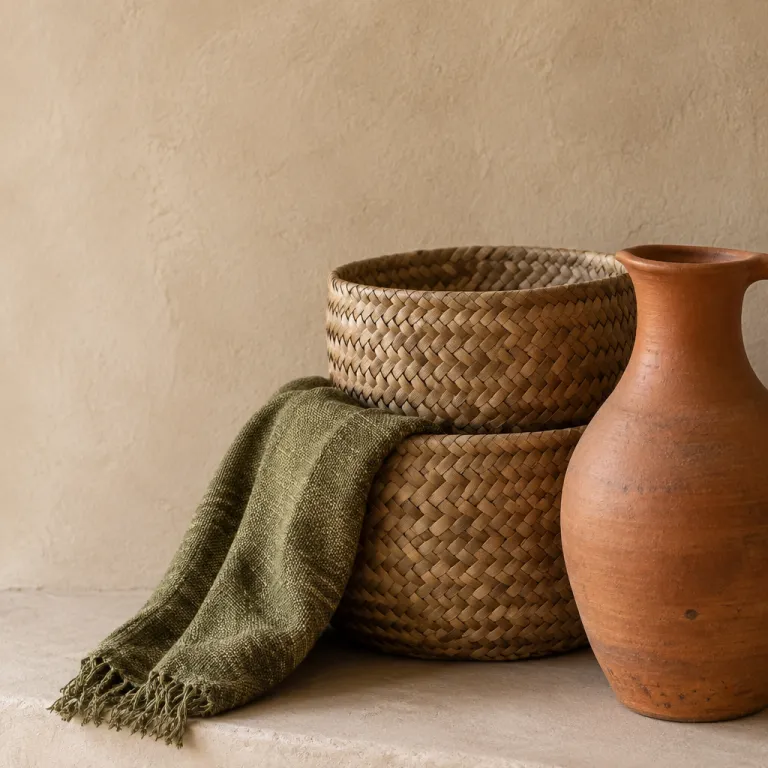
Across the Caribbean, cultural traditions that were sidelined years ago are now central to how serious hotels present themselves. You see artisan crafted furniture in lobbies, woven baskets made from natural materials in suites and handmade goods replacing generic amenities that once ignored local crafts. At places like Jade Mountain in Saint Lucia or GoldenEye in Jamaica, design teams work directly with makers so that chairs, lamps and textiles reflect the island’s own visual language. This is Caribbean craft focused travel at its most compelling, where culture and comfort are woven together by real hands rather than imported catalogues.
For a solo explorer, the appeal lies in proximity to the maker rather than the mall. Instead of browsing anonymous items labelled Caribbean in an airport shop, you might meet handcrafted artisans in a courtyard studio or join a small workshop designed for adults and kids alike. Children learn how traditions survive through craft, while grown up travellers gain a deeper connection to nature and Caribbean culture that no infinity pool can replicate. As one Trinidadian potter at the Santa Cruz Green Market puts it, “When you shape clay with us, you carry a piece of the island home in your hands,” a sentiment echoed in regional cultural policy papers that frame craft as living heritage.
Hotels that take this seriously treat craft as living heritage, not decorative trend. They commission local artisans to create pieces that reflect Afro Caribbean roots, Indigenous techniques and European influences without smoothing away complexity. The best teams curate cultural experiences with the same care they apply to wine lists, ensuring that every crafted object, from jewelry to papier mâché masks, feels anchored in place rather than staged for social media. Properties such as Belle Mont Farm on St. Kitts or Zemi Beach House in Anguilla often highlight the names of carvers, weavers and painters in room guides so guests can seek them out and plan visits.
This approach also changes how you evaluate a property before booking. Instead of scanning only for spa menus and kids clubs, you start asking about studio visits, hand carved details in rooms and whether the art on the walls comes from local artists or distant warehouses. That line of questioning quickly reveals which hotels support culture and which simply borrow its aesthetics. Over time, Caribbean craft artisan travel becomes less about décor and more about choosing places that invest in the communities and traditions that make each island distinct, a practical way to align your travel budget with your values.
Island by island: the crafts that shape place and identity
Each Caribbean island carries its own cultural fingerprint, and crafts are often the clearest way to read it. In Saint Lucia, for example, you will find hand carved calabash bowls, hand painted pottery and madras fabric used in both ceremonial dress and contemporary design. On other islands, woven baskets made from natural materials such as palm, banana leaf or wild grasses speak to a long connection with nature and to daily life shaped by the land. In Dominica, the Kalinago Territory is known for intricate larouma basketry that has been practiced for generations and is frequently cited in regional heritage inventories.
Textiles tell another chapter of this story, especially where madras fabric has become a symbol of history, identity and resilience. Once a marker of colonial hierarchies, it has been reclaimed by Afro Caribbean communities and by artists who cut, stitch and craft it into modern silhouettes. In Guadeloupe and Martinique, Fête du Madras celebrations showcase bold checks in skirts, headwraps and shirts. When a hotel dresses its staff in madras accents or uses the fabric in cushions and throws, it is not a costume but a reference to traditions that have evolved over time into something proudly contemporary and widely documented in local cultural festivals.
Ceramics and pottery vary widely across the Caribbean, yet they share a focus on handmade forms that fit the hand and the table. Some islands favour burnished, almost black clay vessels that echo African roots, while others lean into bright, hand painted glazes that feel closer to Latin American art. In Barbados, for instance, Earthworks Pottery produces colourful, functional pieces that appear in boutique hotels and villas. A thoughtful property will credit the artist, explain the cultural references and sometimes invite guests to visit the studio where those crafted pieces are fired, often including short notes in room guides or digital concierge apps.
Woodwork and jewelry add further layers to Caribbean craft centred travel, especially when they draw on local woods and recycled metals. Hand carved sculptures, eco friendly serving boards and artisan crafted jewelry made from shells or seeds all carry stories of place. In Jamaica, artisans at the Kingston Craft Market or Harmony Hall often work with lignum vitae and cedar, while in Saint Vincent you might find necklaces made from polished sea glass. If you are interested in sleeping where history happened and understanding how heritage shapes design, look for properties that align with the spirit of Caribbean heritage hotels rather than those that simply import a global aesthetic.
Even seemingly simple items, such as straw hats or small papier mâché figurines, can reveal complex traditions. Many were once made for practical use in fields or festivals, then slowly shifted into handmade goods for visitors as tourism grew. In Trinidad and Tobago, Carnival wire benders and mask makers now run small studios that welcome curious guests year round. When hotels frame these crafts as art and culture rather than trinkets, they help preserve skills, support artisans and give travellers a more honest sense of the islands they have come to explore, a point often emphasized in national tourism strategies.
From décor to patronage: how hotels work with artisans
The most interesting shift in Caribbean craft artisan travel is happening behind the scenes, where procurement teams rethink how they source décor and amenities. Instead of ordering generic artwork, they commission local artisans to create hand painted murals, artisan crafted lighting and woven baskets that double as both storage and sculpture. At properties like Rockhouse Hotel in Negril or Cap Maison in Saint Lucia, this move from decoration to patronage changes the energy of a space and the economics of who benefits from your stay, a change often highlighted in their sustainability reports.
Genuine support for handcrafted artisans usually shows up in contracts, not just captions. Hotels that take this seriously pay fair rates, commit to long term orders and credit each artist by name in room directories or digital guides. Some partner with cooperatives such as the Seagrape Artists’ Cooperative in Grenada or the Craft Council of Trinidad and Tobago to ensure transparent sourcing. They also build cultural programming around these relationships, offering studio visits, workshops for children and adults and seasonal events that align with the region’s independence days, heritage weeks and harvest festivals worth planning around.
Tokenism looks different, and you can spot it quickly once you know the signs. A few handmade items scattered in a lobby, no mention of who made them and a gift shop filled with mass produced souvenirs rarely signals real engagement with culture. By contrast, properties that centre Caribbean culture will often invite you to meet the artist, explain the traditions behind each craft and show how those traditions still shape daily life on the island. Staff at smaller inns and eco lodges can usually name the carver of a headboard or the weaver of a basket without checking a script, a practical test you can use when you arrive.
Some hotels now integrate Caribbean craft artisan travel into their event planning and weddings, commissioning hand carved signage, eco friendly décor and jewelry gifts for guests that are made by local artisans. If you are planning a celebration that feels rooted in place, look for venues that treat craft as part of the design language, much like the best guides to pure Caribbean luxury do when they weave local culture into every detail. This approach turns a one off event into a catalyst for ongoing work and income for artisans, especially when couples choose registry items from local studios instead of only international brands.
For families, the most memorable stays often involve hands on encounters with craft rather than passive observation. Kids might learn simple papier mâché techniques, while children and teenagers experiment with natural materials to create small pieces of art they can take home. These experiences make Caribbean craft focused travel feel accessible, while also teaching respect for the time, skill and heritage embedded in every handmade object. A short note in a room guide explaining how long it takes to weave a basket or carve a mask can turn curiosity into lasting appreciation and spark conversations long after the trip.
Workshops, studio visits and residencies worth building into your stay
Once you start planning a Caribbean craft artisan travel itinerary, the hotel becomes only one part of the cultural equation. Many properties now partner with local artisans to offer scheduled workshops in pottery, weaving, jewelry making or papier mâché mask building. These sessions often take place in shaded courtyards or open air studios, where the sounds of daily life drift in as you work with your hands. In Puerto Rico, for example, some guesthouses in Old San Juan connect visitors with nearby printmaking and ceramics studios for half day classes that can be reserved through reception.
Studio visits offer a different kind of intimacy, especially for solo travellers who prefer conversation to group activities. You might spend an afternoon with an artist who explains how Afro Caribbean motifs, Indigenous symbols and European techniques intersect in their art. Watching a hand carved sculpture emerge from a block of wood or seeing hand painted textiles dry in the sun gives you a tangible connection to nature and to the rhythms that shaped these crafts years ago. In Barbados, a visit to a working pottery or batik studio can easily become the highlight of a weeklong trip and is often recommended by local tourism offices.
Some hotels go further by hosting short residencies for handcrafted artisans, inviting them to live on property for a few weeks while they create. Guests can drop by, ask questions about culture and traditions and sometimes commission small handmade goods that will be shipped later with discreet, often complimentary, free shipping options. At certain eco resorts in Belize and the Grenadines, rotating artist in residence programmes bring painters, sculptors and textile designers into daily contact with guests. This model turns the hotel into a temporary cultural centre, where Caribbean culture is not just referenced but actively made in front of you.
Families benefit from this ecosystem too, because kids and children see adults working with hand tools, natural materials and traditional methods rather than screens. They learn that black clay, plant dyes and madras fabric are not just aesthetic choices but carriers of history, identity and community memory. For many, these encounters become the most vivid part of their Caribbean craft artisan travel story, long after the details of the pool or breakfast buffet have faded. Parents often find that children talk more about the mask they made or the pot they glazed than about any formal excursion or theme park style activity.
To deepen the experience, pair craft focused days with visits to small museums, heritage sites and neighbourhood food stalls where daily life unfolds at a slower pace. You will start to notice how the same motifs appear in architecture, music and cuisine, creating a web of culture that stretches far beyond any single workshop. That is when Caribbean craft artisan travel stops being an activity and becomes a lens through which you see the entire archipelago, from market stalls and village fêtes to galleries and hotel lobbies, shaping future itineraries and return visits.
Buying with intention: how your choices support heritage and communities
Every purchase you make during a Caribbean craft artisan travel journey sends a signal about what you value. Choosing handmade goods from local artisans over anonymous imports keeps more money circulating in island communities and helps ensure that crafts remain viable careers. UNESCO and regional cultural agencies have noted that creative industries can account for a meaningful share of tourism income when visitors buy directly from makers. It also honours the years of practice that go into mastering hand carved woodwork, hand painted ceramics or intricate woven baskets made from natural materials.
Look for clear information about who made each piece, what materials were used and how eco friendly the production process is. Many artisan crafted objects in the Caribbean now incorporate recycled metals, sustainably harvested woods or plant based dyes that reflect a deeper connection to nature. When hotels curate shops that foreground this transparency, they turn retail corners into small galleries of culture and heritage rather than simple revenue streams. Simple touches such as artist bios, care instructions and short notes on symbolism help travellers understand what they are bringing home and how to look after it.
Jewelry is often where this conversation becomes most personal, because you wear the story against your skin. A simple pendant shaped by a black sand beach, a bracelet woven from madras fabric or earrings made from seeds all carry fragments of Caribbean culture and of the artist’s own history and identity. Buying directly from handcrafted artisans, whether in a hotel lobby market or a village studio, ensures that your money supports both the maker and the traditions they keep alive. Many travellers now set aside a portion of their budget specifically for these kinds of meaningful purchases and note them as highlights in post trip reviews.
For families, explaining these choices to kids and children can be part of the travel education. You might compare a mass produced trinket with a handmade craft, talking about how long each took to make and how they relate to daily life on the island. Those conversations help younger travellers understand that Caribbean craft artisan travel is not just about collecting items but about respecting the people and cultures behind them. Over time, children begin to ask their own questions about who made an object and how it fits into the wider story of the place they are visiting.
Ultimately, the most meaningful souvenirs from the Caribbean are often the ones that still smell faintly of wood shavings, plant dyes or sea salt. They remind you of the artist’s hand, the sound of tools on a workbench and the way culture felt when you were close enough to see every detail. When hotels champion this kind of craft centred experience, they elevate both luxury and heritage, proving that the islands' makers belong at the heart of the story and offering travellers a richer, more responsible way to experience the region.
FAQ
How can I tell if a hotel genuinely supports local artisans ?
Look for clear credit given to artists, consistent use of handmade goods across rooms and public spaces and opportunities to meet local artisans through workshops or studio visits. Genuine support usually involves long term collaborations, fair payment and storytelling that explains the cultural context of each craft. If décor feels generic and no one can name the makers, support is likely superficial.
Which Caribbean islands are best for craft focused travel ?
Many islands offer rich craft traditions, but some are especially strong in specific areas. Saint Lucia is known for woodwork and madras fabric, while other islands excel in ceramics, woven baskets or jewelry that reflects Afro Caribbean heritage. Rather than chasing a single “best” island, choose based on the crafts and culture that interest you most.
Are craft workshops suitable for kids and children ?
Most hotel based workshops are designed with families in mind and offer simple, supervised activities for kids and children. Common options include basic papier mâché, bead jewelry, small weaving projects or hand painted tiles that introduce traditions without overwhelming younger travellers. Always check age recommendations and group sizes when booking through your hotel.
How do I avoid buying mass produced souvenirs marketed as handmade ?
Ask direct questions about who made the item, where and how long it took to produce. Handcrafted artisans can usually explain their process, show tools or share photos of work in progress, while resellers often cannot. Buying in studios, verified craft markets or hotel curated shops with transparent sourcing reduces the risk of mass produced goods.
Can I arrange shipping for larger handmade items from the Caribbean ?
Many hotels and artisan collectives can help arrange secure shipping for larger pieces such as furniture, large woven baskets or substantial art. Some offer free shipping thresholds or partner with logistics companies experienced in handling fragile, hand carved or hand painted works. Always confirm insurance, tracking and estimated delivery times before finalizing your purchase.