From sustainable to regenerative: how Caribbean hotels raise the bar
Across the Caribbean, a quiet shift is reshaping what a luxury hotel can be. The most forward looking caribbean regenerative travel hotels now aim not just for sustainable tourism but for measurable regeneration of reefs, forests and local communities. For solo travellers who care about conservation as much as comfort, this new approach to regenerative tourism changes how you choose both island and property.
Think of sustainability as damage limitation, while regenerative travel is about leaving a place better than you found it. A regenerative resort in the Caribbean tracks how many corals it restores, how much coastline it protects and how much income it channels into the local community, rather than only counting reduced plastic or lower energy use. The best hotels and resorts publish these data, invite guests into the process and treat sustainability as a core hospitality value, not a marketing flourish.
This matters because tourism remains one of the Caribbean’s largest employers and landowners. A single luxury resort can shape how an island coastline is managed, how local communities access beaches and how long term conservation funding is secured. When you book caribbean regenerative travel hotels, you are effectively voting for a model of sustainable travel that either extracts value or returns it to the community and the ecosystem.
Rebuilding reefs and mangroves: where luxury funds real conservation
On islands from Bonaire to Curaçao and Belize, caribbean regenerative travel hotels are turning their house reefs into living laboratories. Many hotels and resorts now run coral nurseries where small fragments are grown on underwater “trees” before being transplanted to damaged sections of reef, creating a rare case where tourism and conservation genuinely align. For a solo explorer, joining a guided dive at a regenerative resort becomes a way to see your room rate translated into new coral colonies rather than just another infinity pool.
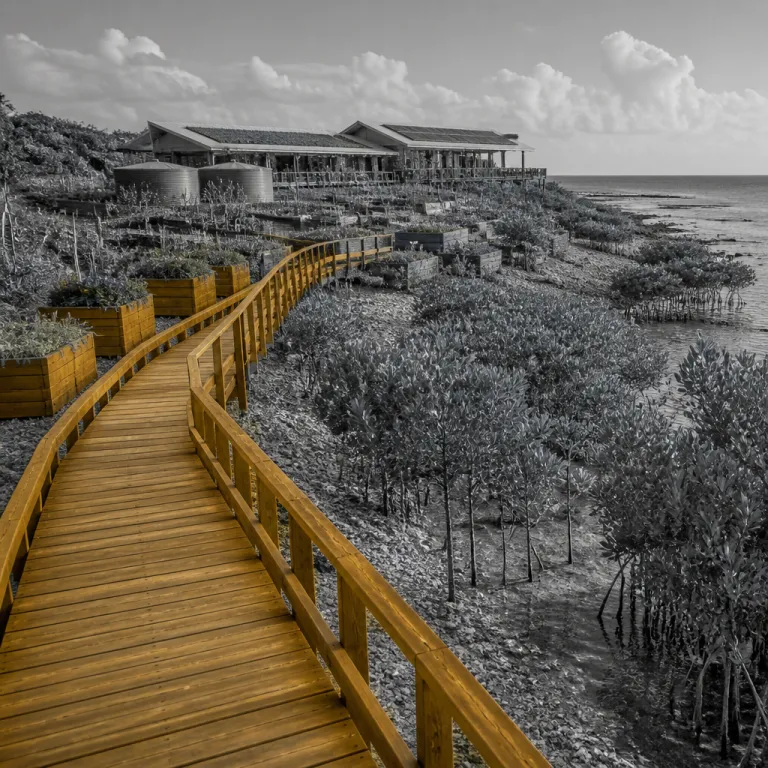
Some of the most ambitious eco hotels pair coral work with mangrove restoration, recognising that these tangled forests are the Caribbean’s quiet superpower. Mangroves store vast amounts of carbon, buffer storm surges and provide nurseries for fish that later populate the reefs you snorkel, so regenerative tourism projects now fund seedling nurseries and community planting days along sheltered bays. When you evaluate caribbean regenerative travel hotels, ask how many metres of mangrove coastline their property has restored and how they monitor long term survival, not just how eco friendly their bathroom amenities appear.
For a curated overview of credible sustainable tourism leaders, our island by island guide to the Caribbean’s most sustainable hotels offers a useful benchmark for what real impact looks like. Use it to compare how each eco lodge or luxury resort reports on reef health, mangrove coverage and wildlife sightings, then cross check those claims with independent certifications such as Green Globe, EarthCheck or Rainforest Alliance. This habit quickly separates marketing language from hotels resorts that treat sustainability and regenerative travel as non negotiable pillars of their operation.
Community wealth building: when your stay strengthens the island
The most convincing caribbean regenerative travel hotels start with people, not just pristine beaches. A regenerative hotel on any Caribbean island should employ a majority of its staff from the surrounding local communities and invest in training that leads to management roles, not only entry level service jobs. When you see a general manager who grew up in the local community and a head chef who sources directly from island farmers, you are looking at regenerative tourism in practice.
On Saint Lucia, Jade Mountain has become a reference point for how a luxury property can weave itself into the island economy without overwhelming it. The resort works closely with local farmers and fishers, supports arts initiatives and uses its dramatic view of the Pitons to anchor a broader story about conservation and cultural pride, rather than just selling a spectacular view hotel image. Guests who choose Jade Mountain over more anonymous hotels resorts are effectively backing a model where luxury and community benefit rise together.
Elsewhere in the region, places like Jamaica Inn on the north coast show how a heritage hotel can evolve towards sustainable travel without losing its understated charm. Jamaica Inn partners with schools, funds swim programmes and supports marine conservation, proving that a small property can still have outsized impact on local communities when tourism revenue is channelled thoughtfully. As you compare eco hotels across the Caribbean, look for clear evidence of scholarships, apprenticeships and infrastructure projects that will still matter in the long term, long after your own travel memories have faded.
How to read the fine print: separating real regeneration from greenwash
For travellers scanning glossy websites, the language around eco luxury and sustainable tourism can feel interchangeable. Many caribbean regenerative travel hotels now reference regenerative travel, yet only a fraction publish hard numbers on energy, water, habitat restoration or community investment, which is where your scrutiny becomes essential. A genuinely regenerative resort will share uncomfortable baselines, clear targets and annual progress, not just aspirational slogans about being eco friendly.
Start with third party certifications such as Green Globe, EarthCheck and Rainforest Alliance, which audit sustainability performance across energy, water, waste and community criteria. These labels do not guarantee full regenerative tourism, but they at least confirm that a property has opened its books and operations to external review, which is a higher bar than self declared eco lodge status. Then read the sustainability section carefully to see whether the hotel explains how its conservation projects connect to the wider island ecosystem, from nearby national park boundaries to marine protected areas.
Policy shifts across the region are also reshaping what responsible tourism looks like at destination level. Several governments are experimenting with visitor caps and new fee structures, a trend we unpack in detail in our analysis of how Caribbean nations are rewriting tourism rules through caps, quotas and the end of unlimited access. When you choose caribbean regenerative travel hotels that align with these policies, you support a regional move towards sustainability that protects both the environment and the long term resilience of each island economy.
Planning a regenerative Caribbean stay: islands, properties and practical choices
Designing an itinerary around caribbean regenerative travel hotels starts with choosing the right island for your priorities. If marine conservation is your focus, look for a resort or eco lodge near a marine reserve or national park, where your guided dives and snorkel trips directly support reef monitoring and coral restoration. Travellers more interested in culture and food might prioritise a hotel that partners with local communities on culinary workshops, market tours and heritage projects, ensuring that tourism revenue circulates through the island economy.
On Turks and Caicos, for example, several eco hotels now integrate mangrove kayaking with education on coastal protection and climate resilience. In Costa Rica, which sits just beyond the traditional Caribbean arc yet shares its sea and culture on the eastern coast, a new generation of eco lodge properties in regions like Limón and around Río Celeste del Toro are blending rainforest conservation with community tourism, offering a useful template for the wider region. When you see a costa rica style approach to regenerative tourism replicated in the Caribbean, with transparent data and strong partnerships, you know the model is maturing.
Even at the ultra luxury end, where expectations around service and privacy are highest, the most interesting hotels and resorts now invite guests into the regenerative process. Some caribbean regenerative travel hotels offer citizen science snorkels, tree planting sessions or behind the scenes sustainability tours that reveal how water systems, waste streams and energy grids are being redesigned for the long term. As a solo explorer, these experiences turn a beautiful view into a deeper relationship with place, proving that a hotel stay can be both indulgent and genuinely regenerative for the island and its community.
FAQ
What is the difference between sustainable travel and regenerative travel in the Caribbean ?
Sustainable travel in the Caribbean focuses on reducing negative impacts, such as lowering energy use or cutting plastic waste. Regenerative travel goes further by aiming for net positive outcomes, including restoring coral reefs, replanting mangroves and increasing income for local communities. When you choose caribbean regenerative travel hotels, you support properties that actively improve ecosystems and livelihoods rather than simply minimising harm.
How can I tell if a Caribbean hotel is genuinely regenerative ?
Look for clear data on conservation projects, community investment and long term goals, not just vague eco friendly language. Independent certifications such as Green Globe, EarthCheck or Rainforest Alliance add credibility, especially when combined with transparent annual reporting on reef health, mangrove coverage or training programmes. Genuine caribbean regenerative travel hotels will usually invite guests to participate in activities like coral planting, citizen science or community visits that show the impact first hand.
Are regenerative travel hotels more expensive than other Caribbean resorts ?
Prices at caribbean regenerative travel hotels vary widely, from intimate eco lodges to high end luxury resorts. You may pay a premium at some properties because they invest heavily in conservation staff, renewable energy and fair wages for the local community, but that cost often comes with richer experiences and a stronger sense of place. If budget is a concern, consider travelling outside peak periods or choosing smaller hotels that still demonstrate strong sustainability and community commitments.
Which Caribbean destinations are leading in regenerative tourism ?
Several islands and coastal regions stand out for regenerative tourism, including parts of Saint Lucia, Jamaica, Bonaire, Curaçao and Belize, along with Costa Rica’s Caribbean coast. These destinations host caribbean regenerative travel hotels that support coral nurseries, mangrove restoration and community projects while maintaining high standards of comfort. When planning your trip, research specific properties rather than relying only on island reputation, because commitment to regeneration can vary widely within the same destination.
What practical steps can I take to make my Caribbean trip more regenerative ?
Start by choosing caribbean regenerative travel hotels that publish clear sustainability and community impact information, then align your activities with their conservation and cultural programmes. Travel with fewer flights where possible, stay longer in each place and spend money with local businesses, guides and restaurants connected to the hotel’s initiatives. Finally, ask questions on site about long term projects and share constructive feedback, because guest expectations help push more properties towards genuinely regenerative models.