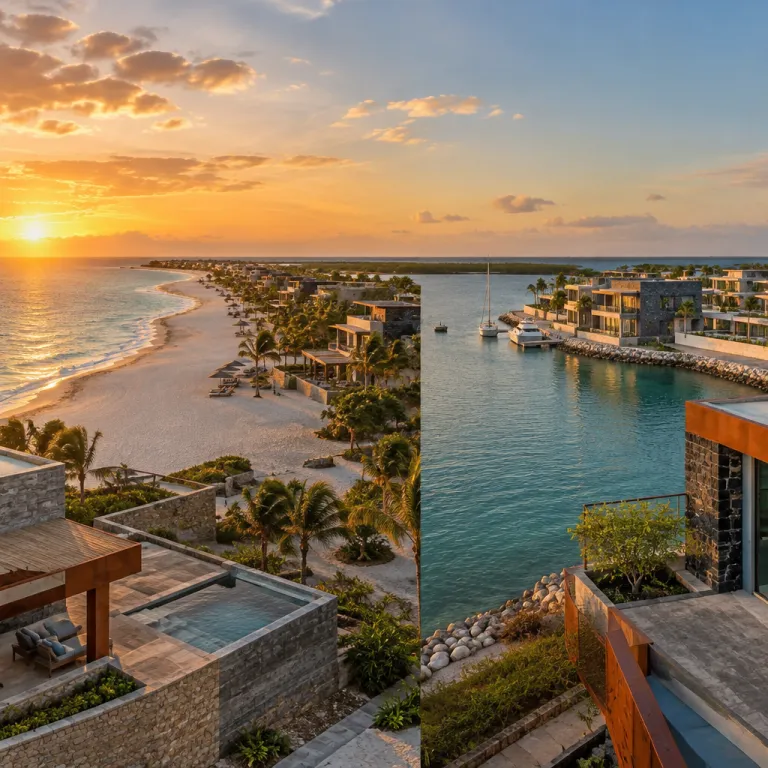
Choosing between Punta Cana and Cap Cana for a luxury beachfront stay
Punta Cana vs Cap Cana is the central question for many travellers planning a high end escape in the Dominican Republic. When you compare Punta Cana and Cap Cana, you are really weighing energy and variety against privacy and exclusivity inside one wider coastal region. Both areas sit on the same sunlit corner of the Caribbean, yet each resort cluster feels like a different world.
Punta Cana stretches along roughly 50 kilometres of coastline, with long arcs of beach, shallow turquoise water and a dense line of all inclusive resorts from Bávaro to Cabeza de Toro. Cap Cana lies just south of Punta Cana, a gated community where every road, marina and golf fairway has been carefully planned and where access inside gates is controlled for guests, owners and staff. The Rainieri family, through Grupo Puntacana, shaped the original Punta coast, while the Hazoury family developed Cap Cana as a more intimate, master planned enclave.
For travellers comparing Punta Cana vs Cap Cana, the choice often comes down to how you like to travel and how you define luxury. Punta Cana resorts, especially around Bávaro Beach, offer a broader range of price points, room categories and entertainment, which suits guests who want activity and value in the Dominican Republic. Cap Cana resorts, from Eden Roc at Cap Cana to smaller ultra luxury enclaves, focus on space, quiet and personalised service, which appeals to travellers who prefer a private address and are comfortable with higher nightly rates.
Atmosphere, privacy and price: how Punta Cana and Cap Cana really feel
Standing on Bávaro Beach in Punta Cana, you feel the pulse of the Caribbean with music from neighbouring resorts, parasails over the water and excursion boats cruising past. On Juanillo Beach in Cap Cana, the mood shifts to hushed conversations, wide spacing between loungers and staff who know your name by the second day. This contrast in atmosphere is the heart of the Punta Cana vs Cap Cana decision for many luxury travellers.
Punta Cana’s Bávaro area is built for scale, with large resort complexes, extensive water park zones for families and easy access to nightlife, shopping and day trips across the eastern Dominican Republic. Cap Cana, by contrast, is a gated resort community where you pass security checkpoints to enter, and where many villas, residences and hotels sit inside gates that lead directly to the sand, the golf course or the Cap Cana marina. Expect stricter gate fees for outside visitors, and a premium on excursions that depart from the Cap Cana marina by private yacht or charter boat.
Price is another clear dividing line between Punta Cana and Cap Cana for luxury stays. Cap Cana resorts typically cost 20 to 60 percent more per night than comparable rooms in Punta Cana, reflecting lower density, larger suites and a more private environment. Travellers who prioritise value often choose a high category room in a Punta Cana resort in Bávaro or Cana Bávaro, while those seeking seclusion may accept the higher cost of Eden Roc at Cap Cana or another Cap Cana resort to enjoy quieter beaches and a more controlled environment ; this mirrors broader Caribbean trends where ultra luxury enclaves command a premium, as seen in elevated stays on Seven Mile Beach in Grand Cayman, such as those highlighted in this in depth look at pinnacle level beachfront living.
Beaches and water: Bávaro Beach vs Juanillo Beach and beyond
When travellers weigh Punta Cana vs Cap Cana, they often start with the beaches and the water quality. Bávaro Beach in Punta Cana is famous for its long, walkable shoreline, shallow entry and a lively mix of water sports, beach bars and resort front loungers. Juanillo Beach in Cap Cana, by contrast, is known for calm water, wide sandy spaces and a more private feel, with fewer vendors and less boat traffic close to shore.
Punta Cana’s coastline includes Bávaro Beach, sections of Cana Bávaro and the stretch often called Cana Punta, where resorts line up along the Caribbean Sea and the Atlantic influenced waters can bring varying levels of waves and seasonal seaweed. Cap Cana’s Juanillo Beach and nearby coves sit slightly more sheltered, which often means gentler water and a quieter soundscape, though no beach in the Dominican Republic is entirely immune to sargassum season. Travellers who are sensitive to seaweed issues should plan carefully around seasonal patterns in Punta Cana, using specialised guidance such as this detailed resource on planning around seaweed season in Punta Cana for a flawless beachfront stay.
For those who love time on the water, both Punta Cana and Cap Cana offer strong options, but the style differs. In Punta Cana, shared catamaran cruises, snorkelling trips and party boats depart from various marinas and beach pick up points along Bávaro Beach, making it easy to join a group excursion during the day. In Cap Cana, the focus leans toward chartering a private yacht from the Cap Cana marina, arranging a trip private to Saona Island or booking a smaller boat for deep sea fishing, all coordinated through your luxury resort concierge ; this more curated approach aligns with broader Caribbean debates about how luxury hotels manage environmental challenges, including sargassum cleanup, as analysed in depth in this report on what Cancun hotel seaweed cleanup failures mean for your Caribbean stay.
Inside the gates: activities, marinas and theme park style adventures
Beyond the beach, Punta Cana vs Cap Cana becomes a question of how you like to spend your days. Punta Cana’s broader area offers golf courses, shopping plazas, nightlife hubs and family friendly attractions, often bundled into resort packages. Cap Cana, while smaller, concentrates its activities inside gates, with a strong focus on golf, marina life and curated excursions arranged through luxury resorts.
Cap Cana’s marina is a focal point, with slips for private yachts, sport fishing boats and sailing vessels, and many residences and hotels oriented around this waterfront lifestyle. Guests at properties such as Eden Roc at Cap Cana or other high end Cap Cana resorts often split their time between Juanillo Beach, the golf course and the Cap Cana marina, where dining, sunset drinks and yacht watching become part of the daily rhythm. The area around the marina has been carefully planned, with cana built infrastructure that supports both residential living and short stay tourism, reinforcing Cap Cana’s identity as a luxury enclave within the wider Punta Cana region.
For more adrenaline, Scape Park at Cap Cana offers zip lines, cenote style swimming, cave explorations and a small water park, all located inside the Cap Cana boundaries and accessible by resort shuttle or private transfer. Many families staying in Punta Cana choose a day trip to Scape Park, combining the livelier atmosphere of Bávaro Beach with a dedicated adventure day inside Cap Cana. Transfers from Punta Cana International Airport to both Punta Cana resorts and Cap Cana properties usually take 15 to 20 minutes, so you can base yourself in either area and still access the other for specific activities, whether that is a zip lines morning in Scape Park or an afternoon at a quieter Cap Cana beach.
Accommodation styles, service and the meaning of luxury in each area
Accommodation is where Punta Cana vs Cap Cana shows its clearest differences for luxury and premium travellers. Punta Cana’s resort inventory ranges from large all inclusive complexes in Bávaro to more intimate luxury properties in Cana Bávaro and Cana Punta, giving you a wide spectrum of room types and service levels. Cap Cana, by contrast, focuses on high end resorts, villas and branded residences, with a strong emphasis on privacy, personalised service and architectural cohesion.
In Punta Cana, you will find many resorts with multiple pools, extensive buffet and à la carte dining, kids clubs and entertainment programmes that run late into the evening. These Punta Cana resorts cater to couples, families and groups who want activity, variety and value, often with direct access to Bávaro Beach or other sections of the Punta coastline. Luxury here can mean a top tier suite with a private plunge pool, club level lounge access and a quieter section of beach, even within a larger resort complex.
Cap Cana’s accommodation scene is anchored by properties such as Eden Roc at Cap Cana, where suites and villas often include private pools, butler style service and access to exclusive beach clubs. The term roc cap is sometimes used informally by travellers to refer to this property and its surrounding enclave, highlighting how closely the brand is tied to the Cap Cana identity. Across Cap Cana, you will also find cana resort style residences where guests can rent apartments or villas with access to shared pools, the Cap Cana marina and golf facilities, blending residential comfort with resort services in a way that appeals to long stay luxury travellers.
Practical planning: transfers, day trips and how to split your stay
From a logistics perspective, Punta Cana vs Cap Cana is less about distance and more about how you want to structure your days. Both areas sit close to Punta Cana International Airport, with typical transfers of 15 to 20 minutes by private car or resort shuttle. The key difference lies in how easily you can move between resorts, beaches and attractions once you are settled.
Punta Cana’s Bávaro area offers more public access points, shared excursions and flexible taxi or ride services, which suits travellers who like to explore multiple resorts, beach clubs and nightlife spots during their stay. Cap Cana, being a gated community, has more controlled access, so moving between different Cap Cana resorts, the marina and Juanillo Beach usually happens via pre arranged transport or resort shuttles. This structure enhances security and privacy but can make spontaneous bar hopping or resort hopping less practical than in Punta Cana.
Many experienced travellers resolve the Punta Cana vs Cap Cana dilemma by splitting their stay between the two areas. They might start with three or four nights in a lively Punta Cana resort on Bávaro Beach, enjoying group excursions, water sports and nightlife, then move to a Cap Cana property such as Eden Roc for a quieter finale focused on spa time, private yacht charters from the Cap Cana marina and relaxed days on Juanillo Beach. Day trips to Saona Island, Scape Park or inland attractions with zip lines and cenote swimming can be arranged from either base, though prices for a trip private from Cap Cana may run higher due to the more exclusive positioning of the community.
Investment perspective: Punta Cana vs Cap Cana for property minded travellers
For some guests, Punta Cana vs Cap Cana is not only a travel question but also an investment decision. Punta Cana’s broader area, especially around Bávaro and Cana Bávaro, has become a hub for income focused investors who prioritise rental yield and shorter time on market. Cap Cana, by contrast, attracts buyers who value prestige, master planned infrastructure and potential for long term capital appreciation.
Recent market data shows that entry level one bedroom condos in Punta Cana often start around 80 000 USD, while similar units in Cap Cana begin closer to 195 000 USD, reflecting the premium attached to the gated, marina oriented lifestyle. Properties in Punta Cana typically sell in about 45 days, compared with around 90 days in Cap Cana, which aligns with the higher price point and more selective buyer pool in the latter. Investors who favour steady occupancy and broader demand often choose Punta Cana, while those who prioritise brand positioning and exclusivity lean toward Cap Cana, especially in areas close to the Cap Cana marina or golf courses.
For travellers who might become owners, staying in both areas before committing is a wise strategy. Spend several days in a Punta Cana resort in Bávaro or Cana Punta to experience the energy, then book a stay inside gates at a Cap Cana resort or a cana resort style residence near the marina to understand the rhythm of daily life there. As local experts often explain to prospective buyers and guests, "Cap Cana is significantly more expensive per night for comparable luxury."
Key figures for Punta Cana and Cap Cana luxury stays
- Punta Cana’s coastline extends for about 50 kilometres, giving travellers a long arc of beach options from Bávaro Beach to more secluded stretches, according to regional tourism board data.
- Entry level one bedroom condos in Punta Cana average around 80 000 USD, while similar units in Cap Cana start near 195 000 USD, based on recent investment reports, illustrating the price premium for the gated Cap Cana environment.
- Typical time on market for a property sale in Punta Cana is about 45 days, compared with roughly 90 days in Cap Cana, reflecting faster turnover in the more mass market oriented Punta area.
- Transfers from Punta Cana International Airport to both Punta Cana resorts and Cap Cana properties usually take 15 to 20 minutes by car, so travel time should not be a deciding factor between the two.
- Cap Cana resorts often price 20 to 60 percent higher per night than comparable luxury rooms in Punta Cana, a gap that aligns with the quieter beaches, marina access and more private, gated layout.
FAQ about Punta Cana vs Cap Cana
Is Cap Cana part of Punta Cana or a separate destination ?
Cap Cana is a gated resort community located within the wider Punta Cana region in the eastern Dominican Republic. It operates as a master planned enclave with its own marina, golf courses and luxury resorts, but geographically it forms part of the broader Punta Cana coastal area. Travellers often fly into Punta Cana International Airport and then transfer by car to either Punta Cana resorts or Cap Cana properties.
Which area is more expensive for a luxury hotel stay ?
Cap Cana is generally more expensive than Punta Cana for comparable levels of luxury accommodation. Nightly rates at Cap Cana resorts, including properties such as Eden Roc at Cap Cana, often run 20 to 60 percent higher than similar suites in Punta Cana’s Bávaro or Cana Bávaro zones. The price difference reflects Cap Cana’s lower density, private gated layout and strong focus on personalised service and marina oriented lifestyles.
Where will I find better nightlife, Punta Cana or Cap Cana ?
Punta Cana, especially the Bávaro area, offers more vibrant nightlife than Cap Cana, with beach clubs, bars, casinos and resort entertainment that runs late into the night. Cap Cana focuses more on quiet evenings, fine dining and marina side lounges, which suits travellers who prefer a calmer atmosphere. Guests staying in Cap Cana who want a livelier night out often arrange a taxi or private transfer to Bávaro and then return to the quieter Cap Cana environment afterward.
Which beaches are calmer, Bávaro Beach or Juanillo Beach ?
Juanillo Beach in Cap Cana is typically calmer and more secluded than Bávaro Beach in Punta Cana. Bávaro Beach offers a longer stretch of sand with more water sports, excursion boats and vendors, which creates a livelier scene but can feel busier. Juanillo Beach, by contrast, has wider spacing between loungers, fewer outside visitors and generally gentler water conditions, making it popular with travellers seeking a more private beach day.
Should I stay only in one area or split my time between both ?
Many travellers choose to split their stay between Punta Cana and Cap Cana to experience both atmospheres. A common approach is to begin with several nights in a Punta Cana resort on Bávaro Beach for activity, excursions and nightlife, then move to a Cap Cana property for a quieter finale focused on spa time, marina walks and private yacht charters. Because transfers between the two areas take only 15 to 20 minutes, combining them in a single trip is straightforward and offers a richer view of the Dominican Republic’s luxury coastline.