
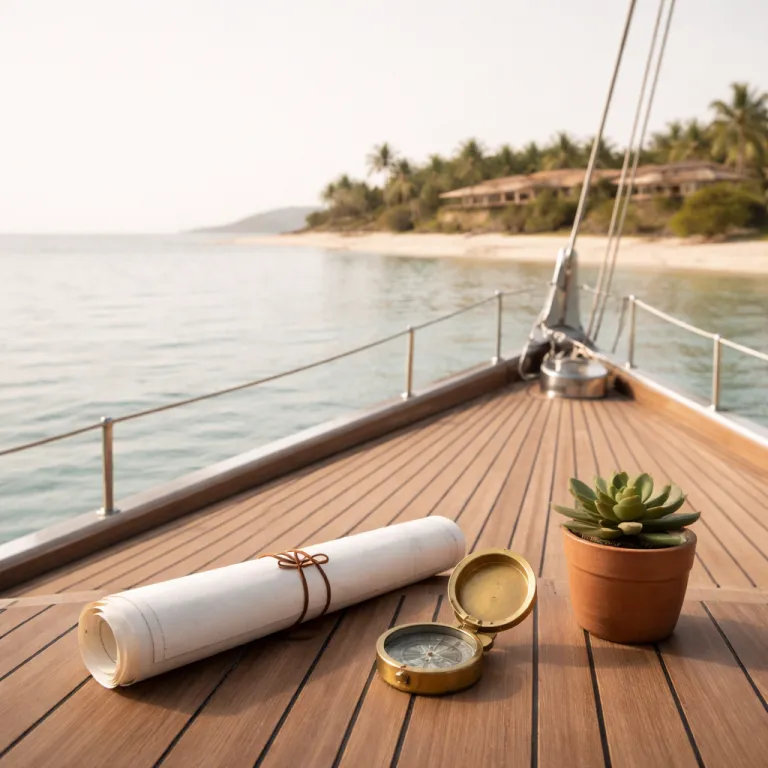
Why a Caribbean yacht charter belongs on your luxury travel list
A Caribbean yacht charter changes how you think about island luxury. Instead of choosing one resort on one of the Caribbean islands, you wake up each morning with a new horizon and a different anchorage framed by palm trees and quiet bays. For couples used to premium hotels, this Caribbean sailing guide shows how a yacht can feel like a floating suite with a private shoreline every day.
The region offers more than seven thousand islands, cays and islets, which means your charter yacht can match your mood from lively beach bars to silent lagoons in a single week. A modern luxury yacht in the Caribbean often includes ensuite cabins, air conditioning and chefs who plate dinners at the same standard as high end island retreats, so you are not trading comfort for adventure when you choose sailing. This complete guide focuses on how hotel style travelers can use a Caribbean yacht charter guide to plan a vacation that feels curated, safe and indulgent rather than improvised.
For many couples, the first question is whether a Caribbean yacht experience is still reserved for owners and billionaires, and the answer is increasingly no. Caribbean sailing has diversified, with charter yachts ranging from compact monohulls to expansive catamarans that rival suites in leading Caribbean hotels, and pricing that can compete with a week in a five star resort when shared between friends. Instead of relying on guesswork, use a specialist charter company or broker to translate your usual hotel preferences into the right yacht charter, the right islands yacht itinerary and the right crew, so the step from land to sea feels natural rather than intimidating.
Bareboat vs crewed: choosing the right charter style for hotel lovers
When you read any serious charter guide, you will see two main formats repeated, bareboat and crewed, and they suit very different travelers. A bareboat yacht charter in the Caribbean means you or your partner handle the sailing, navigation and daily operations, which appeals to confident sailors who want maximum independence and already know the BVI, the US Virgin Islands or the Grenadines well. A crewed Caribbean yacht charter, by contrast, feels closer to a private villa stay, with a captain and chef managing the yacht, the itinerary and the onboard service while you focus on your vacation.
For couples used to concierge desks and turn down service, a crewed luxury yacht usually aligns better with expectations, especially on a first trip. The yacht crew handles moorings, customs formalities between islands and daily menus, while your charter broker fine tunes the route through the leeward islands or windward islands before you even step aboard. In practice, a crewed Caribbean charter can feel like staying in one of the best St Thomas villa rentals, only your terrace moves from a quiet bay in the British Virgin Islands to a lively anchorage near a beach bar in a single afternoon.
Costs vary widely, but a realistic Caribbean yacht charter guide will tell you that a well appointed crewed catamaran for four to six guests can rival the combined price of several luxury hotel rooms in high season. As a broad reference, a mid range 45 to 50 foot crewed catamaran in the BVI might start around USD 18,000 to 25,000 per week including crew but excluding taxes and some expenses, while larger, ultra luxury yachts can exceed USD 100,000 per week. Bareboat charter yachts are usually cheaper, yet you must factor in provisioning, fuel, mooring fees and insurance, which a good guide will help you estimate. Whether you choose bareboat or crewed, always contact a reputable charter company early, share your previous hotel preferences and be honest about your sailing experience, because that transparency will shape a safer and more enjoyable itinerary.
Choosing your sailing ground: BVI, Grenadines, Bahamas and beyond
The most requested area for a first Caribbean sailing vacation remains the BVI, the classic British Virgin Islands playground of sheltered passages and short hops. In this compact cluster of islands, a Caribbean yacht can move from Norman Island to Virgin Gorda in under two hours, which keeps days relaxed and leaves more time for snorkeling, beach bars and long lunches on deck. A Caribbean yacht charter guide for beginners often starts here because the navigation is simple, the anchorages are well serviced and the distances suit couples who prefer lounging to long upwind slogs.
Farther south, the St Vincent Grenadines chain offers a more elemental version of Caribbean sailing, with longer legs between islands and a wilder feel that appeals to repeat visitors. Here your charter yacht might weave from Bequia to Mustique, then on to the Tobago Cays, with each stop feeling like a different private island retreat rather than a polished resort strip. If you enjoy the idea of villas in Punta Cana but want more movement, a week among the Grenadines and the nearby islands of St Lucia and Grenada will deliver that same sense of seclusion with the added romance of sails overhead.
To the north and west, the Bahamas and the Exumas reward travelers who like sandbars, shallow anchorages and long, luminous horizons, while Puerto Rico and the nearby Spanish Virgin Islands offer a blend of Latin culture and quiet bays. Each of these regions can host both bareboat yacht charters and fully crewed luxury yacht experiences, and a good charter guide will match you with the right islands yacht route for your style. When you contact your charter broker, be clear whether you prefer the gentle leeward islands, the more rugged windward islands or a mix, because that choice will shape everything from sea conditions to the type of hotels you might pair with your sailing week.
Life on board: what a typical week on a luxury yacht feels like
A well planned Caribbean yacht charter guide does not just list islands, it explains the rhythm of life on board, which is where hotel guests often feel most reassured. Your day usually starts with coffee on the aft deck as the sun lifts over a quiet bay, followed by a swim before the crew raises the sails and the yacht glides towards the next island. By late morning, you might be snorkeling over a reef, paddleboarding along the shore or heading ashore to explore a fishing village, then returning to the yacht for a lunch that rivals a good island restaurant.
Afternoons on a luxury yacht in the Caribbean tend to be unhurried, with reading on deck, naps in the shade and occasional swims breaking up short sailing legs between islands. Couples who usually book high end hotels in Antigua, St Lucia or Grenada often comment that the privacy on a charter yacht feels deeper, because there are no corridors, no lobbies and no other guests competing for loungers or staff attention. As evening falls, the crew might anchor off a beach bar in the British Virgin Islands, arrange a reservation at a shore side restaurant or serve dinner under the stars, depending on your preferences and the charter guide you agreed with your broker.
Across a typical week, you might combine quiet anchorages near St Vincent Grenadines with livelier nights in the BVI or the US Virgin Islands, which keeps the vacation varied without feeling rushed. One sample itinerary for first timers might start in Tortola, pause at Norman Island and Cooper Island, continue to Virgin Gorda and Anegada, then loop back via Jost Van Dyke for a final night near a classic beach bar. Many couples pair a sailing week with a few nights on land, perhaps at a refined hideaway on Jamaica’s south coast, using an elegant guide to luxury stays on the islands quiet south coast to choose the right property. Whether you end in Martinique, Antigua or Puerto Rico, the key is to brief your charter broker clearly so the daily pace, the balance between sailing and swimming, and the mix of islands match the way you usually structure a luxury vacation.
Catamaran vs monohull: comfort, character and what suits first timers
For many hotel focused travelers, the most practical decision in any Caribbean yacht charter guide is whether to choose a catamaran or a monohull. Catamarans offer wide decks, generous cabins and excellent stability at anchor, which makes them feel closer to a floating villa than a traditional sailing yacht. Monohulls, by contrast, deliver a more classic sailing sensation, with a single hull that heels under sail and often a sleeker profile that appeals to purists.
If you usually book suites with terraces and value space, a modern catamaran in the Caribbean islands will probably feel more intuitive, especially in the BVI, the Grenadines or the Spanish Virgin Islands where anchorages are well protected. The saloon and cockpit on a catamaran often sit on one level, which creates an easy indoor outdoor flow that hotel guests recognise from contemporary island resorts. For couples considering their first Caribbean charter, a catamaran also offers more privacy when traveling with friends, because cabins are spread across two hulls and feel like separate wings of a small, luxury yacht.
Monohulls still have their place, particularly for sailors who value performance and the romance of traditional lines, and many charter yachts in Antigua, St Lucia and Grenada fall into this category. A typical crew on a 50 foot crewed monohull or catamaran might include a captain and chef, while larger superyachts add a chief stewardess and deckhands, which brings service closer to a boutique hotel team. A good charter broker will ask how you feel about motion, how much time you plan to spend under sail and whether you prioritise deck space or sailing feel, then recommend specific yacht charters accordingly. Whatever you choose, remember that the right islands yacht, the right crew and the right itinerary matter more than the hull count, and a thoughtful Caribbean yacht charter guide will help you balance comfort, character and budget without compromising safety.
Booking logistics, timing and how to work with a charter broker
Planning a first Caribbean sailing vacation feels far easier when you treat it like booking a complex multi island hotel itinerary, and that is where a professional charter broker earns their fee. The most reliable advice from industry data is clear, book six to twelve months in advance for peak season, especially if you want a specific luxury yacht, a particular week or a popular route like the British Virgin Islands. As one expert summary puts it, “Book early for peak season. Consider shoulder seasons for better rates. Verify yacht amenities.”
The prime period for a Caribbean yacht charter runs from December to April, when trade winds are steady and humidity is lower, while May and June often offer softer pricing and fewer crowds for couples who can travel outside school holidays. When you contact a broker, share your preferred islands, whether that is Antigua and the leeward islands, St Vincent Grenadines and the windward islands, or a loop that includes Puerto Rico and the Spanish Virgin Islands, because availability varies by region and time of year. Reputable brokers use online booking platforms, detailed travel guides and direct relationships with charter companies to match you with vetted charter yachts and crews, which is crucial for safety and service standards.
Before signing, ask for a complete guide to what is included, from fuel and food to water toys and airport transfers, and compare that with what you usually expect from a five star hotel stay. Many couples now combine a week on a Caribbean yacht with a few nights in a refined villa or resort, such as an ultimate Caribbean retreat for luxury holidays in the Dominican Republic, to ease the transition between sea and land. Whatever mix you choose, a thoughtful Caribbean yacht charter guide, a responsive charter broker and clear written terms will ensure that your first islands yacht experience feels as polished and predictable as your favourite hotel, with the added freedom of a different view from your bed every morning.
Key figures for planning a Caribbean yacht charter
- There are around 7 000 Caribbean islands, cays and islets, according to YachtCharterFleet, which means a lifetime of potential yacht charters without repeating the same itinerary.
- Peak Caribbean charter season typically runs from December to April, when trade winds are most reliable and rainfall is lower, so demand and prices for luxury yacht bookings are highest in this window.
- Most experts recommend booking a Caribbean sailing vacation six to twelve months in advance for popular periods, especially in the BVI and the Grenadines, to secure preferred charter yachts and crews.
- Shoulder months such as May and June often offer lower rates and more flexible itineraries, which can make a crewed Caribbean yacht charter cost comparable to multiple rooms in a high end island resort.
- Wellness focused and eco friendly yachts are a growing segment of the Caribbean charter market, reflecting wider travel trends towards blue health escapes and lower impact luxury vacations.
FAQ about planning a Caribbean yacht charter
What is the best time to charter a yacht in the Caribbean ?
The most reliable conditions for a Caribbean yacht charter usually fall between December and April, when trade winds are steady and temperatures are comfortable. This period suits both bareboat and crewed sailing across the BVI, the Grenadines and the Virgin Islands. Shoulder months can still be attractive for couples seeking quieter anchorages and better value.
How far in advance should I book my Caribbean sailing vacation ?
For peak season dates, you should plan to book six to twelve months ahead, especially if you want a specific luxury yacht or a popular route like the British Virgin Islands. This lead time gives your charter broker room to secure the right yacht, crew and itinerary. Outside peak months, shorter notice can work, but choice will be more limited.
What activities are typically available during a Caribbean yacht charter ?
Most Caribbean sailing itineraries include snorkeling, paddleboarding, swimming and relaxed island exploration by tender or on foot. Depending on the yacht and region, you might also have access to diving, kitesurfing or guided hikes on islands such as St Lucia or Grenada. Your charter guide and crew will tailor daily activities to your interests and fitness level.
Is a crewed yacht charter suitable for travelers used to luxury hotels ?
A crewed Caribbean yacht charter is particularly well suited to guests who usually book premium hotels, because the onboard service, cuisine and privacy can match or exceed many land based properties. The crew handles sailing, housekeeping and dining, so your experience feels closer to a private villa with a dedicated team. Sharing your hotel preferences with your charter broker helps them select a yacht and crew whose style aligns with your expectations.
Should I choose a catamaran or a monohull for my first charter ?
First time charter guests who value space and stability often prefer catamarans, which offer wide decks, generous cabins and minimal heel under sail. Travelers who prioritise a traditional sailing feel and do not mind more motion may enjoy a monohull, especially on routes with longer legs. A good broker will discuss your comfort levels, group size and preferred islands before recommending specific yachts in either category.
References
- YachtCharterFleet – Caribbean yacht charter destination and fleet data.
- Northrop & Johnson – Luxury yacht charter planning resources for the Caribbean.
- Fraser Yachts – Market insights on Caribbean charter seasons and booking trends.